Programs - FILMeX Competition
NUMB
11/22(Sat)15:20 -Asahi Hall
Guest
UCHIYAMA Takuya (Director)
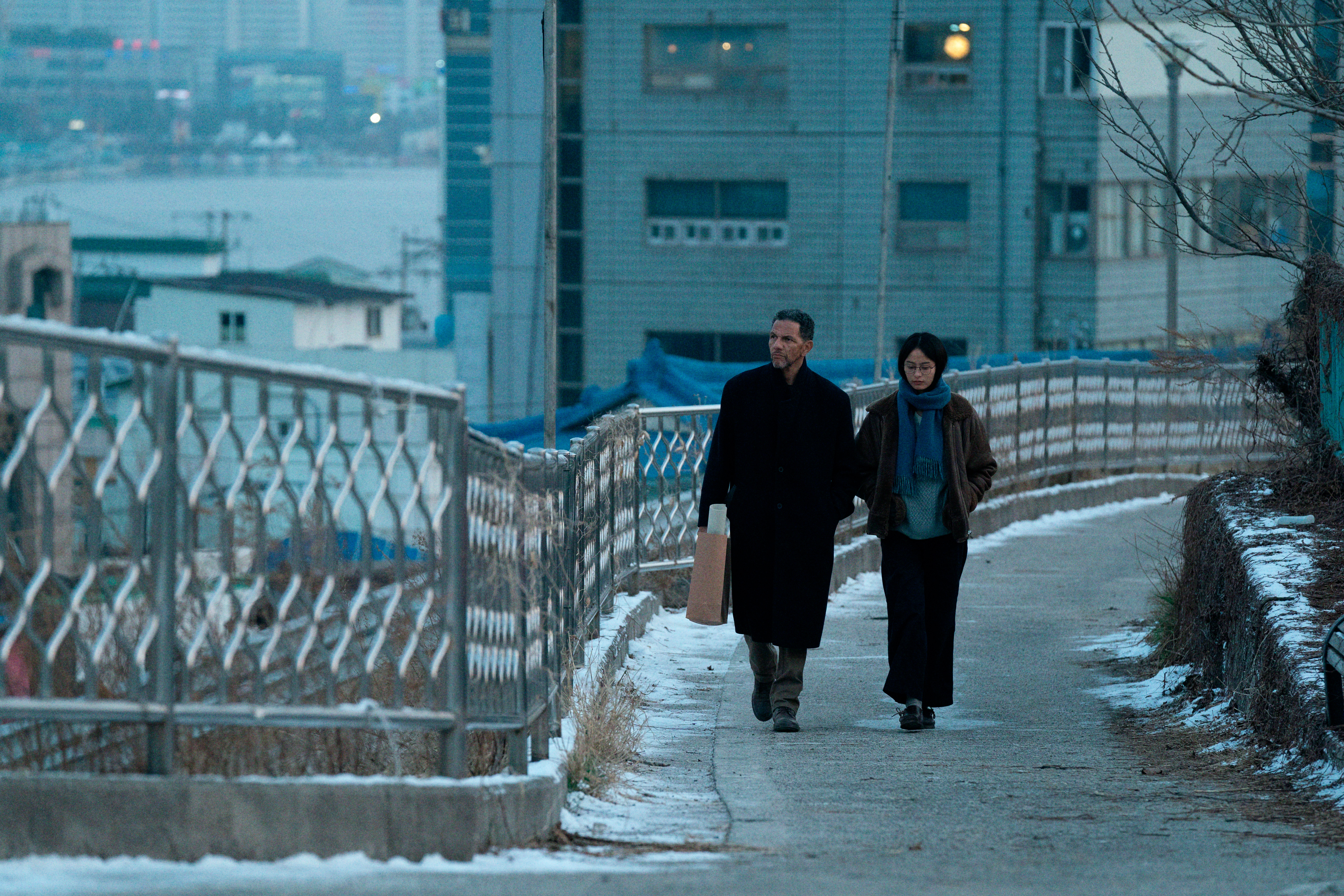
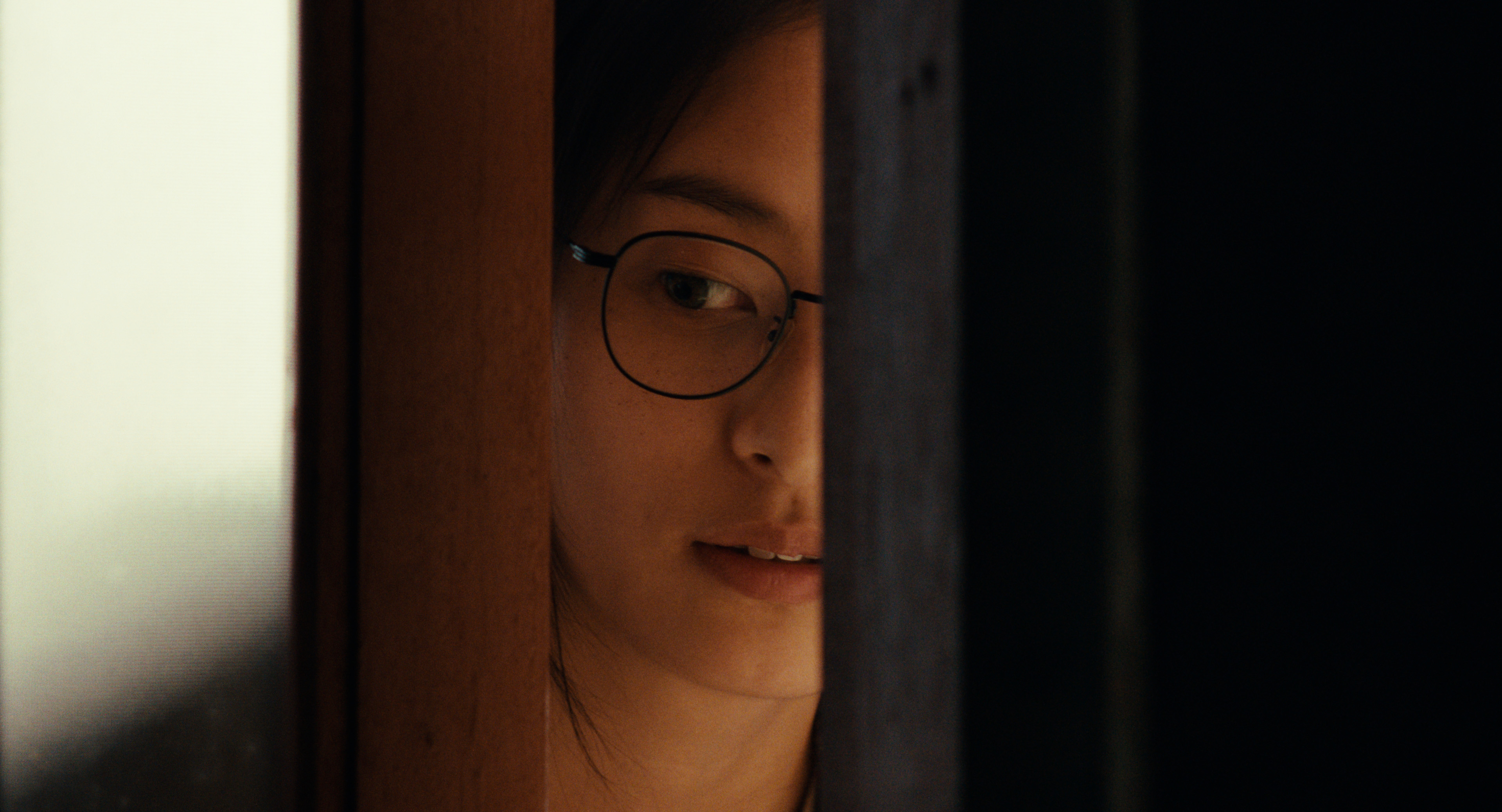
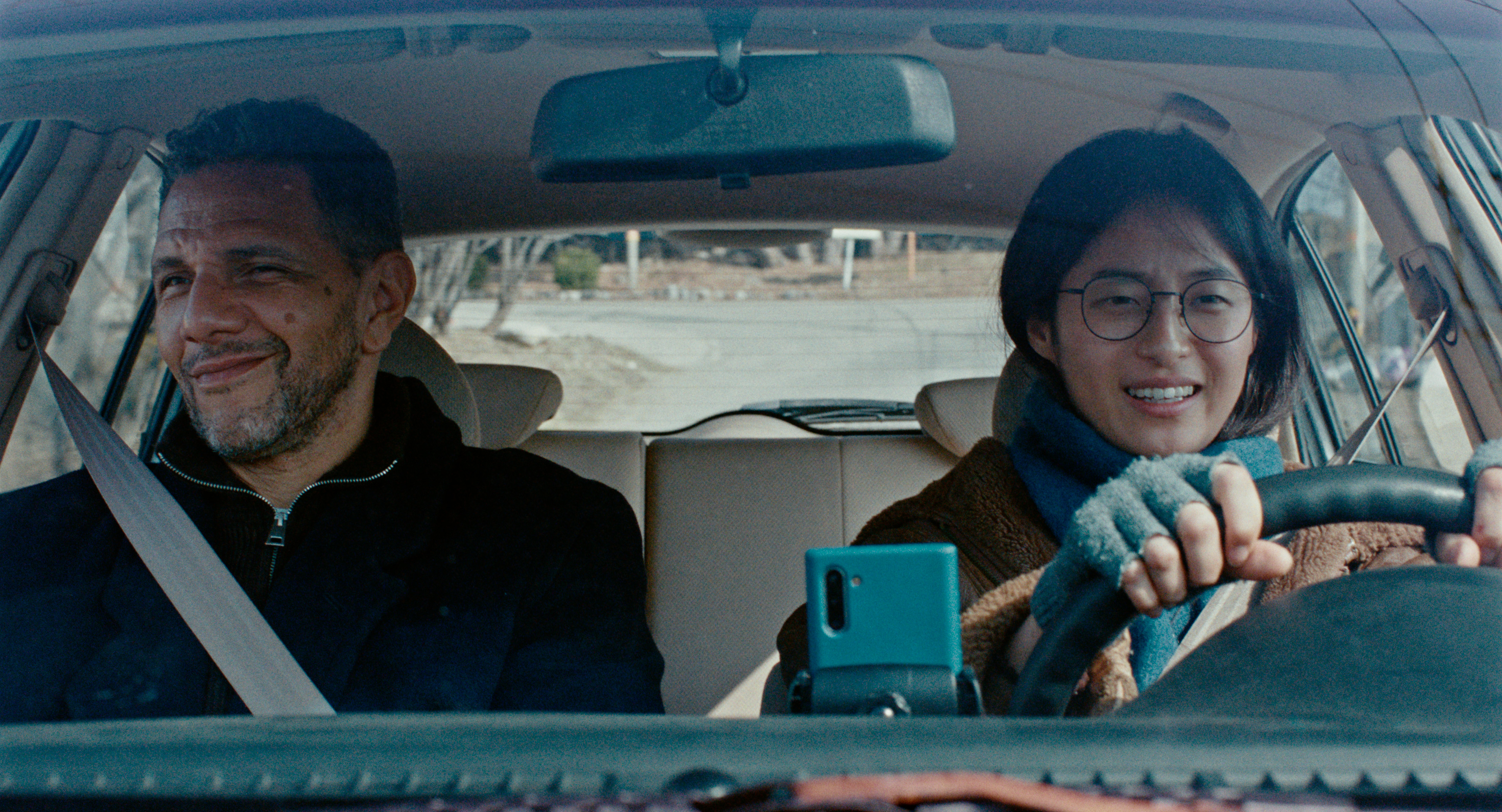
Japan / 2025 / 118min
Director:UCHIYAMA Takuya
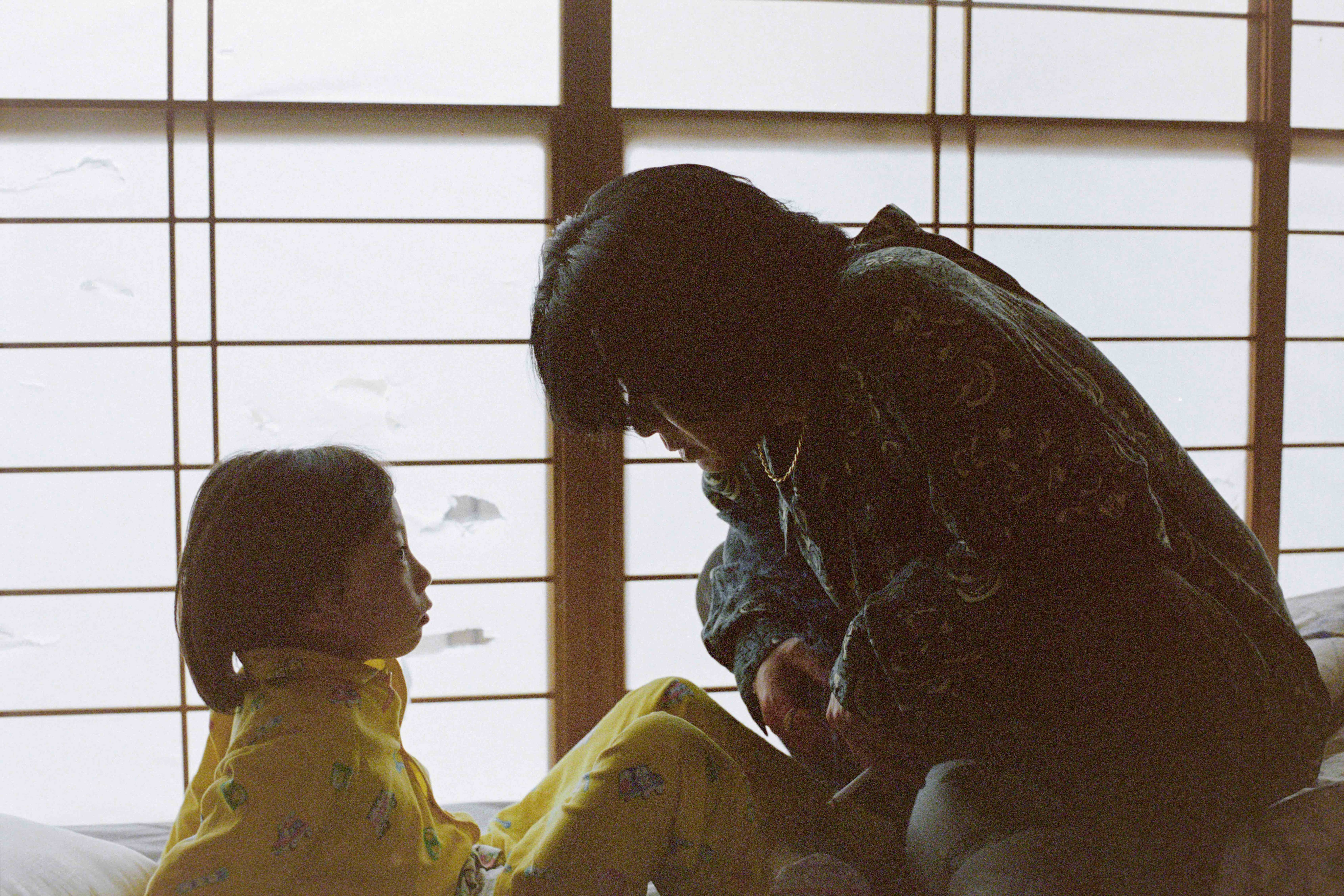
In a coastal town by the Sea of Japan, a tyrannical father has rendered his son mute. Now the boy lives with his mother, but she is barely home working in the nightlife industry. Without a place to belong, the boy decides to go to his birthplace to search for his father. This action changes the course of his life.
Following the acclaimed “Sasaki in My Mind” (2020), Uchiyama Takuya returns to his hometown of Niigata for his fourth feature, which deeply incorporates autobiographical elements into the mother-son story. Seeking identity and belonging, the boy recognizes a profound love through the shifting dynamics between him and his mother, swirling with love and hatred. The mother continues neglecting her son as she only knows a self-destructive form of love where she spends all her income on men. The time he could not escape from his father resulted in taking away the boy’s voice, living his life in literal silence. We follow the boy’s soul-searching journey as he confronts his painful past in the reunion with his father, through which he finally regains his “voice.” The handheld camera’s raw imagery pierces through the boy’s realistic struggle born from the absence of his mother and the toxicity of a trapped family. Yet it also captures his quiet conflict and, eventually, the faint light ahead.
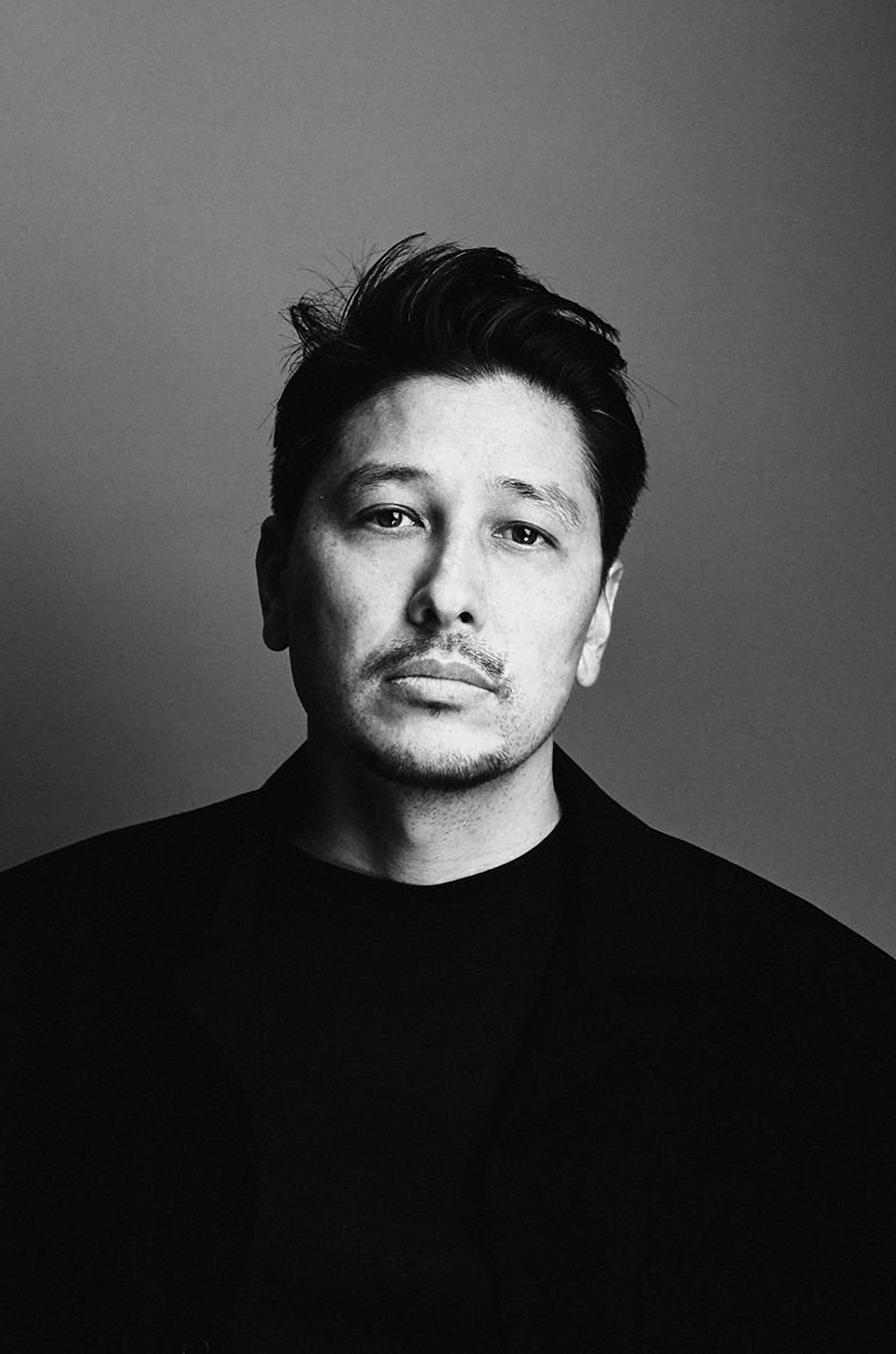
Director:UCHIYAMA Takuya
Born in Niigata in 1992, he studied at Bunka Fashion College and began his career as a stylist before turning to film. His first feature, “Vanitas” (2016), won the PFF Audience Award and screened at the Hong Kong International Film Festival. “Sasaki in My Mind” (2020) marked his theatrical debut, earning multiple newcomer awards. His latest film, “The Young Strangers” (2024), is an international co-production between Japan, France, Korea, and Hong Kong.
Director’s statement
This is a big tale about a small world. What is captured by a child’s gaze? Images overlap with the sounds of daily life and nature. Shifting emotions accompanied by the sea, wind, rain, and snow. Niigata in winter printed on film. In the passing days of ordinary life—breathing, the ache of the heart, fear, at times joy—feeling the air of these things upon one’s skin.
I hope this film brings the audience an awareness of the often-overlooked fragments of beauty in our daily lives, and that they feel affection toward their lives and connections with others.
“Numb” became a solid foundation in enabling me to start my life over again. So in turn, to those who wish to change the course of their lives, to those struggling to remain defiant in the face of their travails, and to the children denied a childhood: Life can be started over again. It’s never too late. I dedicate this film to you.
Schedule
11/22(Sat)15:20 -
Asahi Hall
Guest
UCHIYAMA Takuya (Director)