Programs - FILMeX Competition
Inside Amir
11/22(Sat)12:30 -Asahi Hall
Guest
Amir AZIZI(Director)
11/26(Wed)21:10 -Human Trust Cinema Yurakucho
Iran / 2025 / 103min
Director:Amir AZIZI
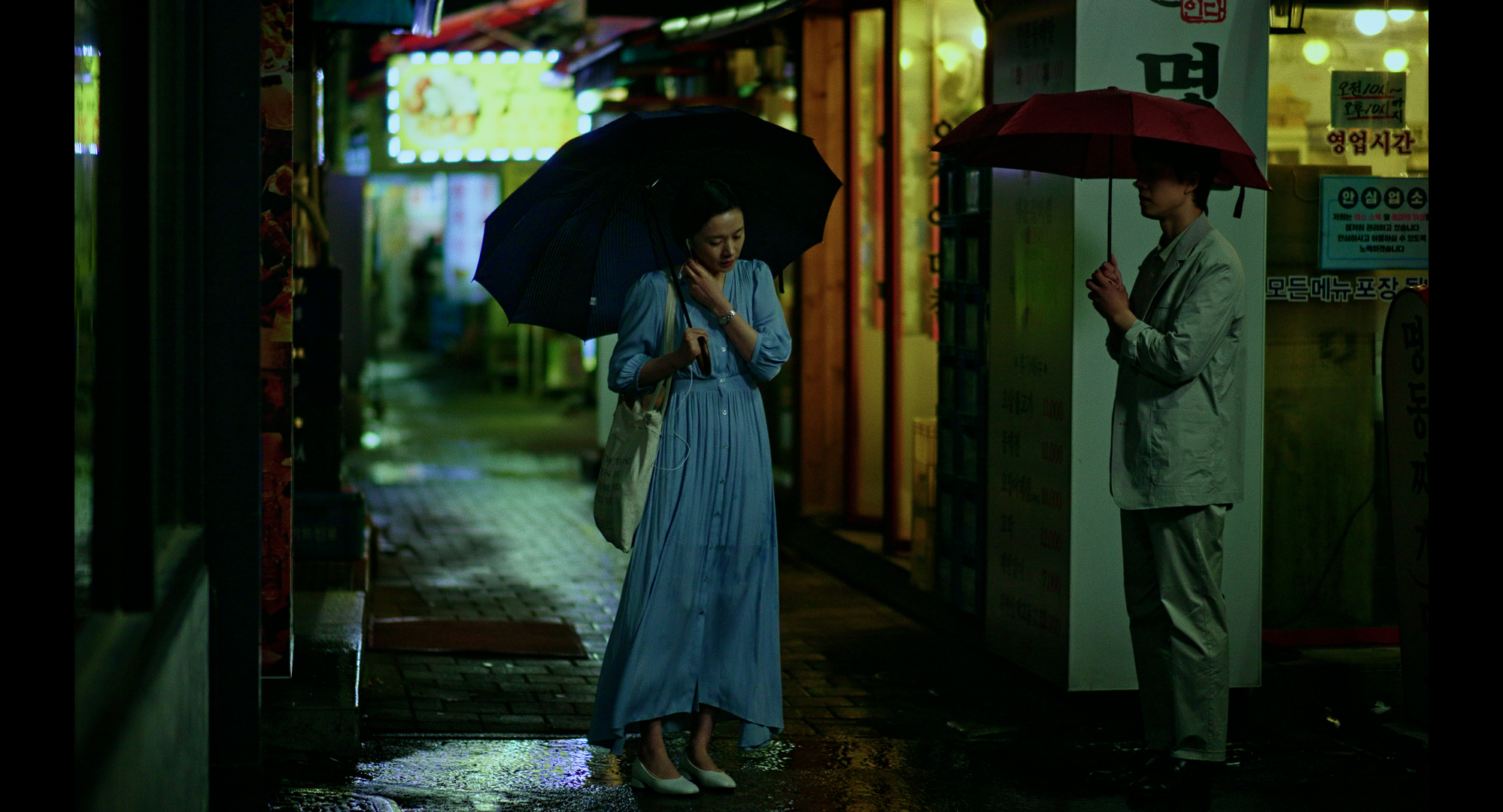
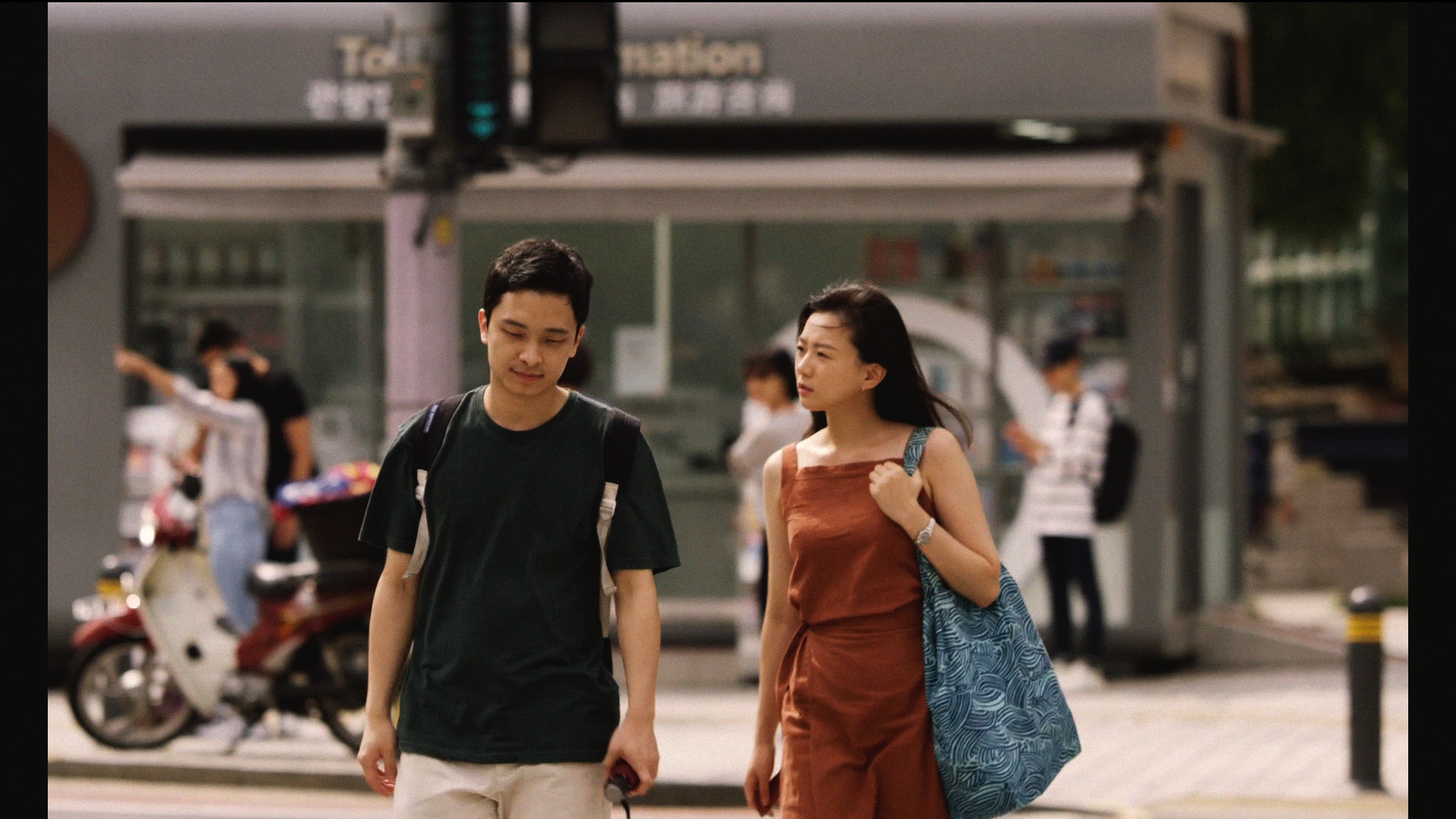
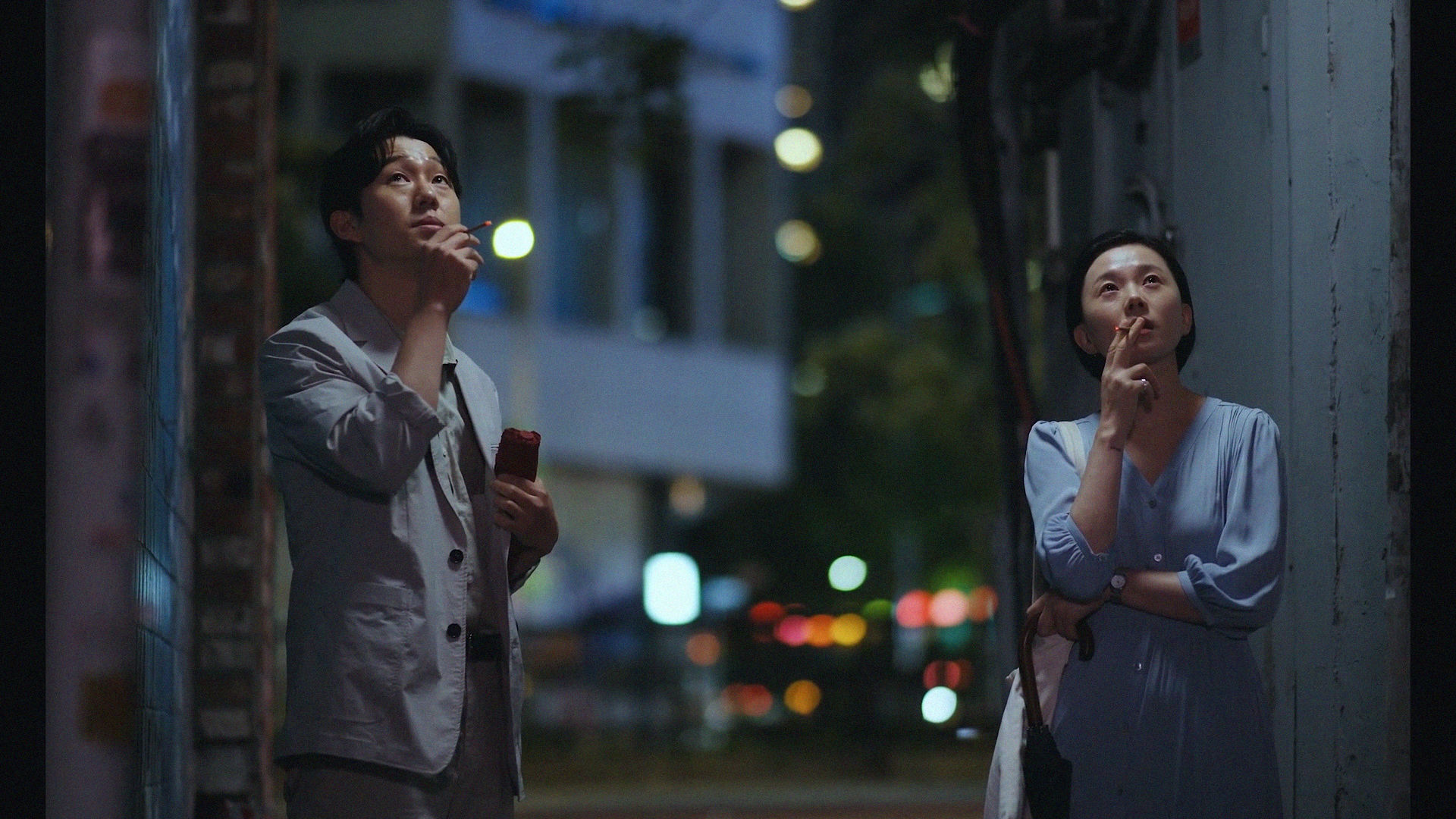
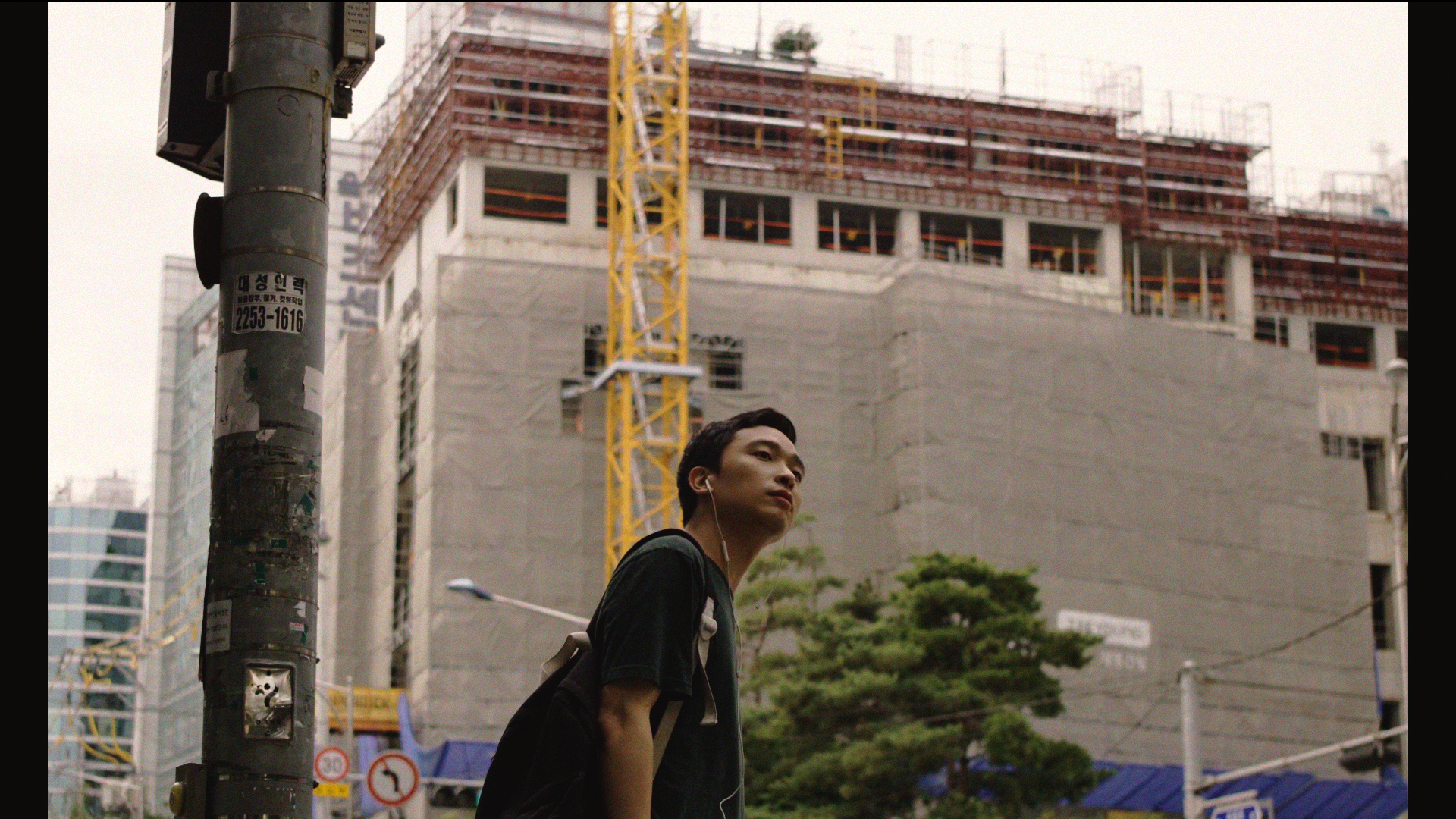
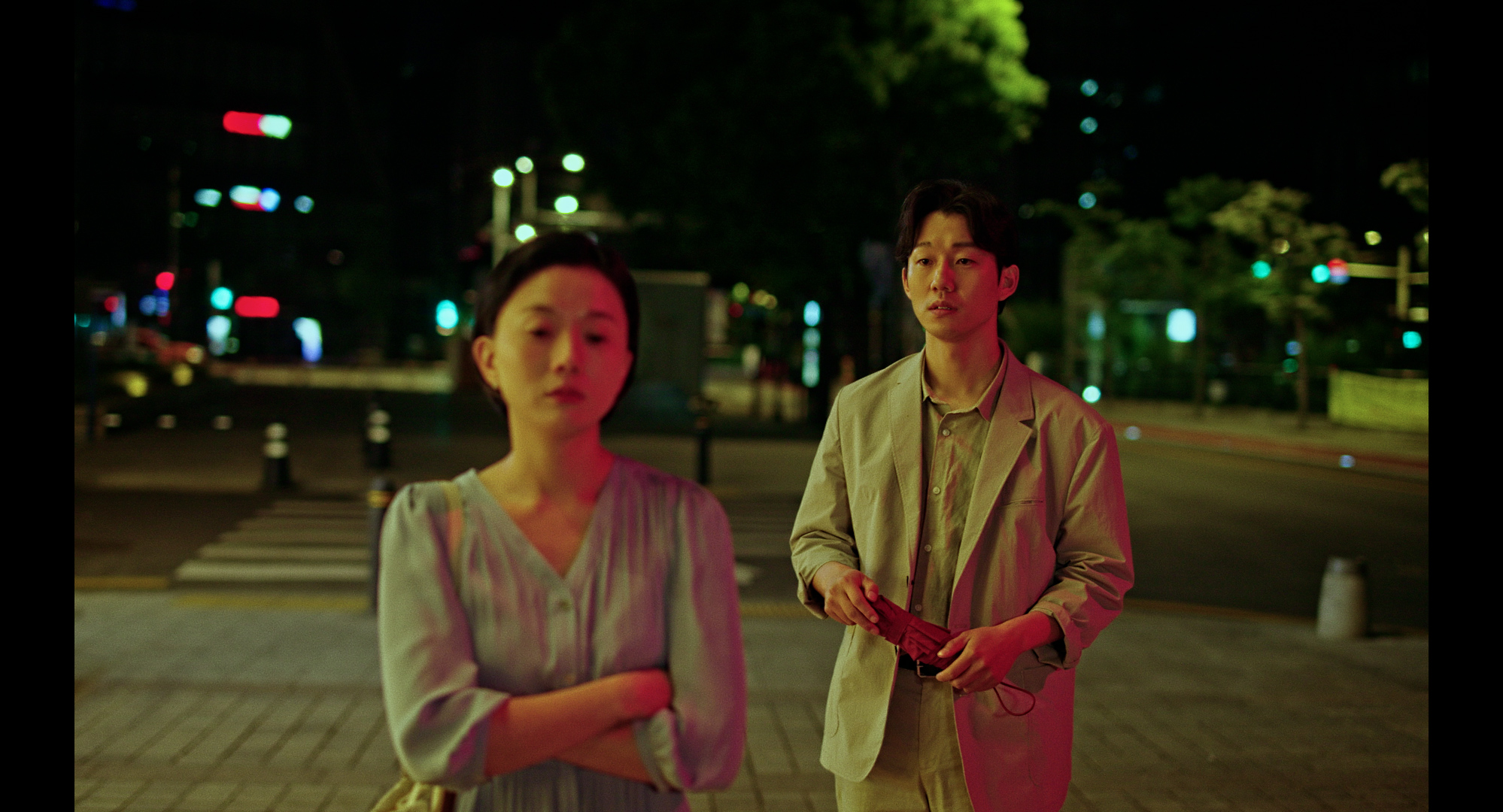
Tehran youth Amir is on the verge of emigrating to Italy, to reunite with his partner Tara and start a new life. Amir’s beloved bicycle is both a tool to earn a living from deliveries and a gateway to enjoying riding with friends. Cherishing each moment with his beloved friends, Amir contemplates time spent with Tara, silently facing the question of “to leave or to stay.”
This meditative film observes fragments of the life of a youth anticipating emigration from Tehran to Italy. The protagonist Amir cycles through the streets of Tehran and reconciles his connection with the city and its people. The days spent awaiting his visa become an emotional farewell journey through Tehran, on his beloved bicycle. As Amir spends time reconnecting with friends in his hometown, the film eliminates dramatic turns, focusing on Amir’s question of “to leave or to stay.” Strong bonds with trusting friends, phone calls with his long-distance partner, and his uncle’s stories of life abroad – these fragments of daily life slowly expose the nostalgia and anxiety swirling inside Amir. Without stating its political position aloud, the theme of younger generations reidentifying with self and home in contemporary Iran is expressed through their nuanced emotions. The film had its world premiere in the Venice Days (Giornate degli Autori) section of the Venice Film Festival and won the GdA Director's Award.

Director:Amir AZIZI
Born in Ahvaz, Iran, in 1984, he began his film career in 2003 as an assistant to renowned directors such as Rakhshan Banietemad. His short films, including “The Idiot” (2007), “Two Cold Meals for One Person” (2009), and “Family Portrait”(2010), were screened internationally. His feature debut “Temporary” (2015) earned the Jury Prize at MedFilm Festival, while his second feature, “Two Dogs” (2020), was invited to the Warsaw International Film Festival and other major festivals.
Director’s statement
The film swings between past and present – friendships, late-night anxiety, and a city Amir is still tied to. Inside Amir is a quiet meditation on the emotional distance between staying and leaving – not about what’s right or wrong, but what remains unresolved. Inside Amir is rooted in personal experience, but it aims to speak in a universal cinematic language. It portrays a young man drifting through a city filled with memories, loneliness, and silent transformations. I’m drawn to the poetry of ordinary life – to the subtle rhythms of streets, bodies in motion, and moments that seem quiet but are emotionally charged. Rather than focusing on plot or dialogue, this film explores presence, space, and human vulnerability. I wanted to observe reality without any judgments or spectacle – just a patient gaze that trusts the audience’s sensitivity. My approach avoids slogans or dramatic noises, seeking instead a deeper emotional clarity. Inside Amir is not a statement about migration, identity, or politics – it is a human story about someone trying to stay afloat. I believe that if a film is honest, even in stillness, it can deeply connect with audiences.
Schedule
11/22(Sat)12:30 -
Asahi Hall
Guest
Amir AZIZI(Director)
11/26(Wed)21:10 -
Human Trust Cinema Yurakucho