Programs - Made in Japan
Leave the Cat Alone
11/25(Tue)18:30 -
Guest
SHIGAYA Daisuke (Director), FUJII Soma (Actor), MURAKAMI Yukino (Actor), TANIGUCHI Ran (Actor)
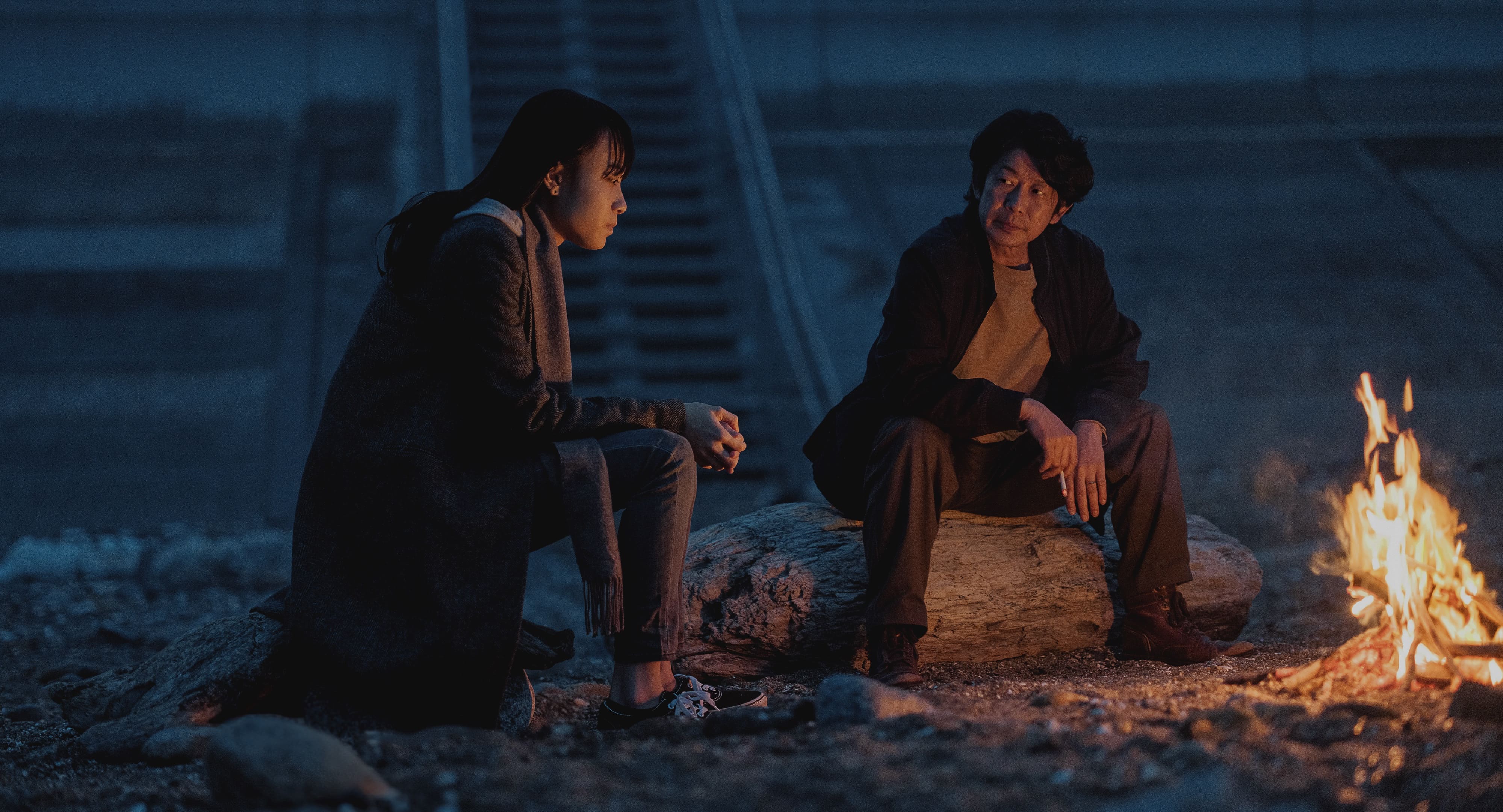
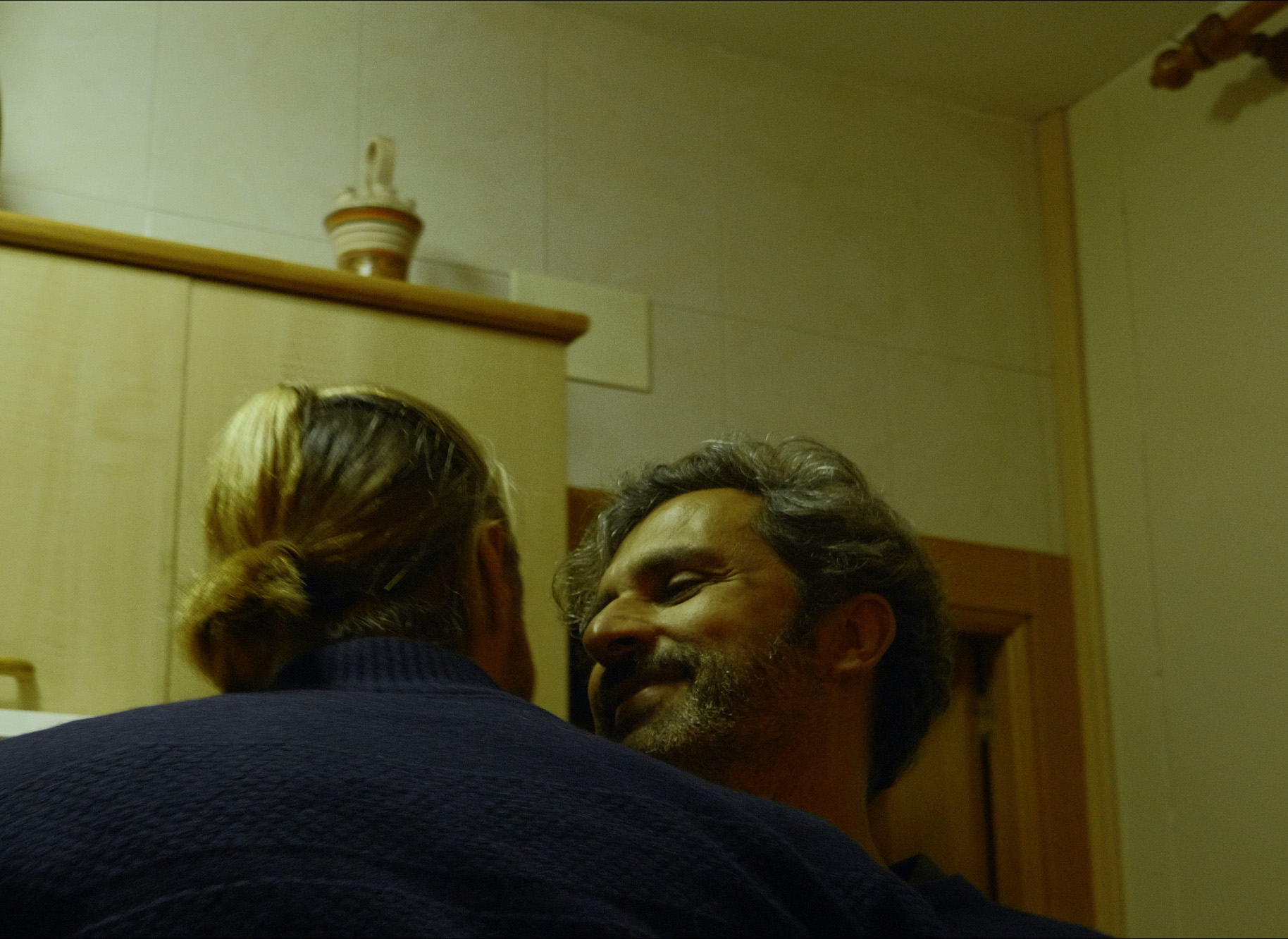
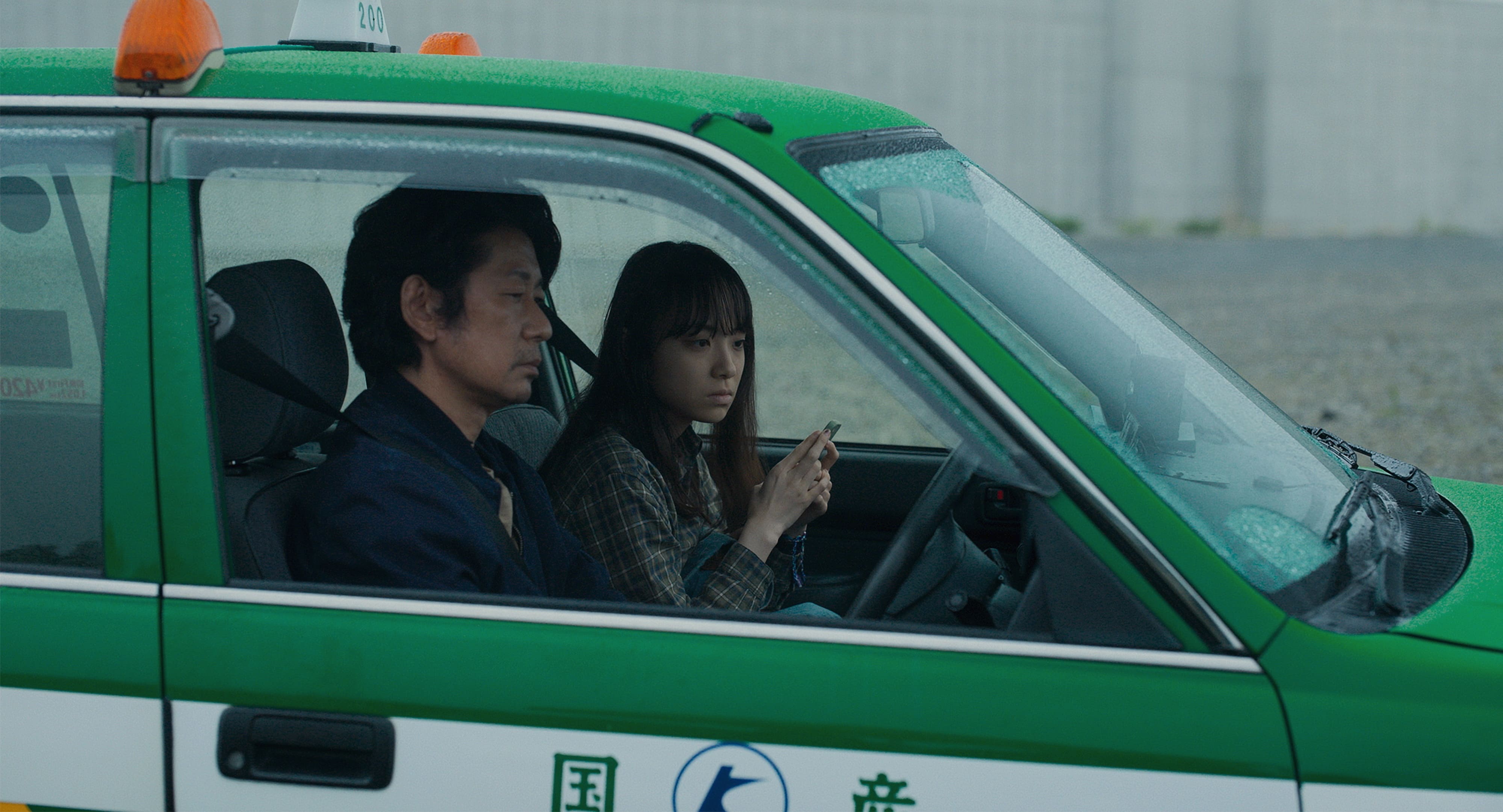
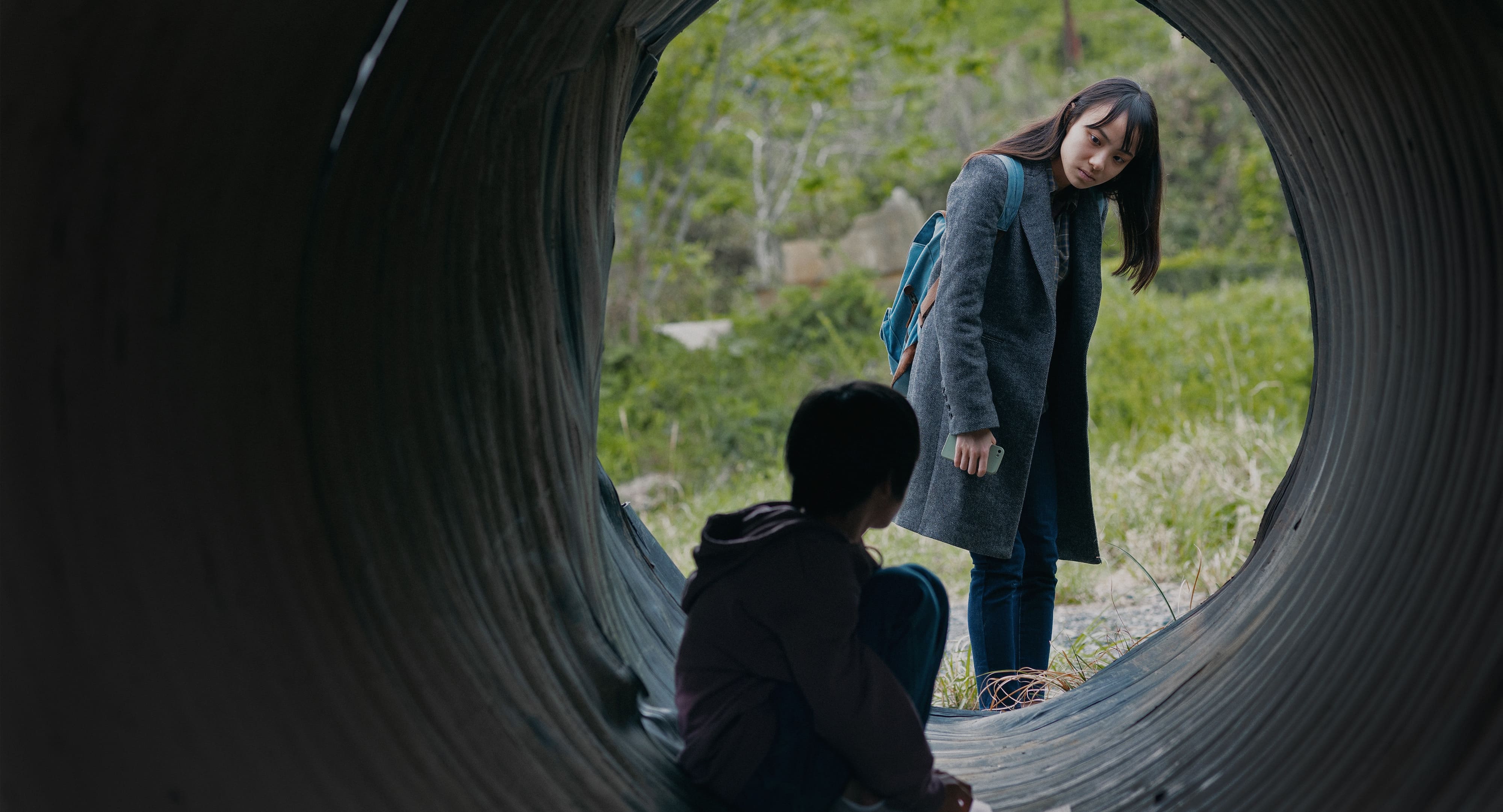

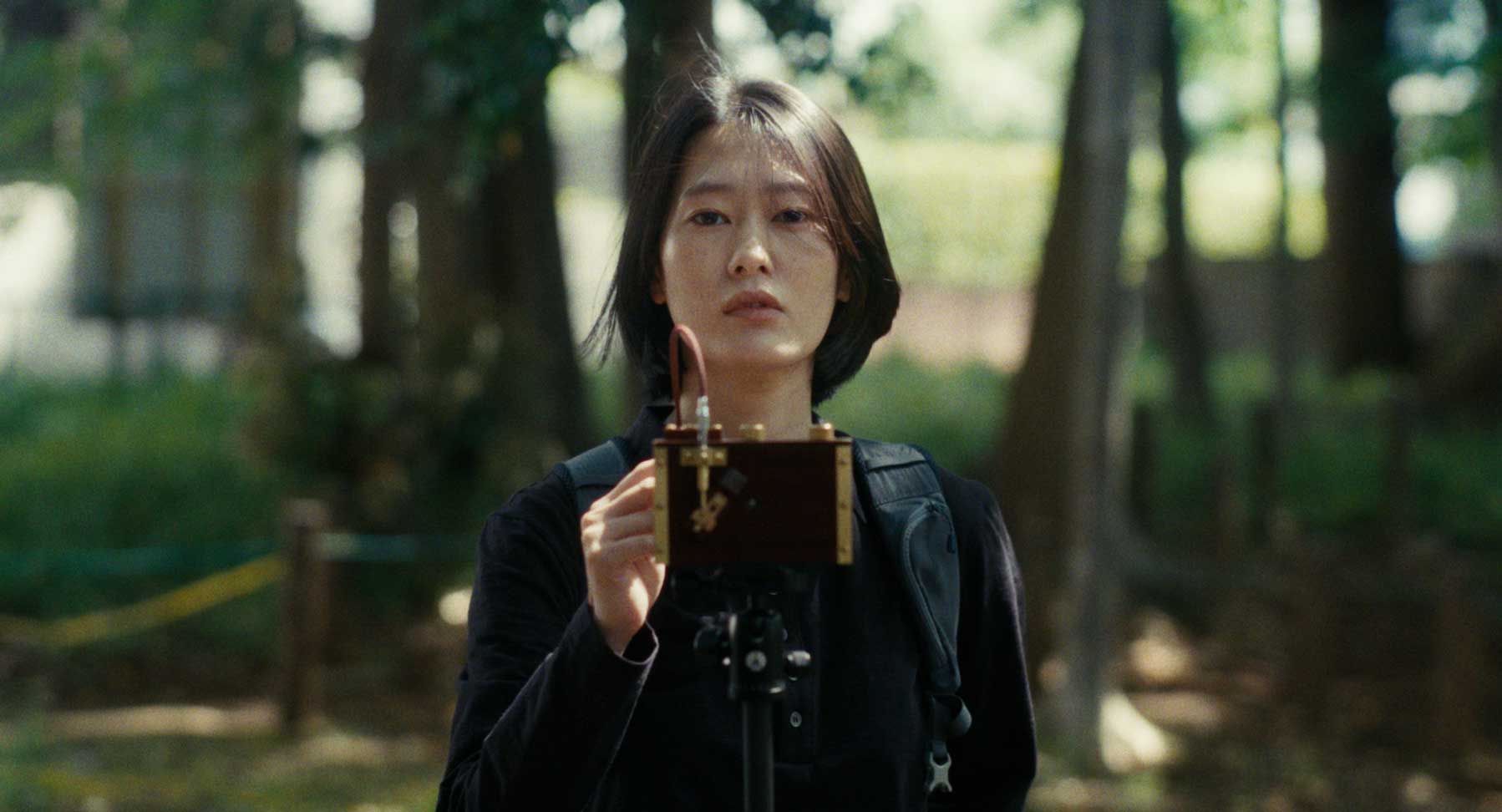
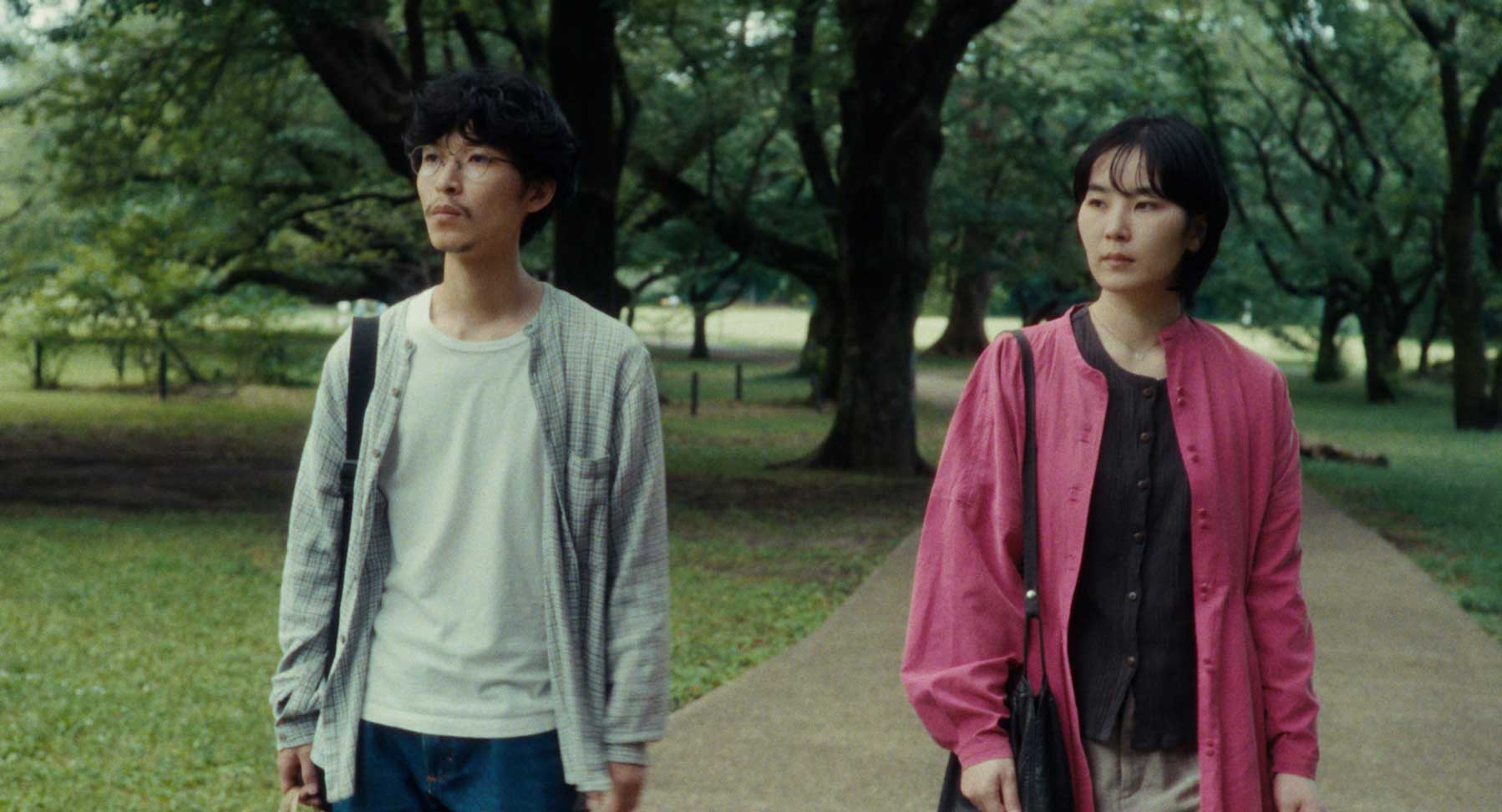
© 2025 “Leave the Cat Alone” Film Partners
Japan / 2025 / 102min
Director:SHIGAYA Daisuke
While worries about the distance felt between his photographer wife Maiko pass his mind, musician Mori reunites with a former friend Asako. The reunion wakes their old feelings, but their memories slightly miss each other. At the end of their long walk, Mori and Asako reflect on their drifted trajectory and where they are now.
Mori, a musician, has grown weary of maintaining his artistic passion and of his stagnant relationship with his wife, Maiko, an emerging photographer. Taking days off for a vague health issue, Mori spends his time alone when he reunites with a former friend Asako. The story centers around the few days from this reunion, reflecting on how their dreams and ideals have drifted from their present lives. Shigaya Daisuke’s first feature film illustrates how those who pursue or once pursued art regain the passion and energy to create by reconnecting with their past selves. Shigaya delicately captures wordless emotions and senses of frustration simmering beneath the surface with a modest brushstroke, breathing new air into the somewhat well-worn theme of self-exploration and artistic reboot. The film world premiered in the new Competition program at Busan International Film Festival.
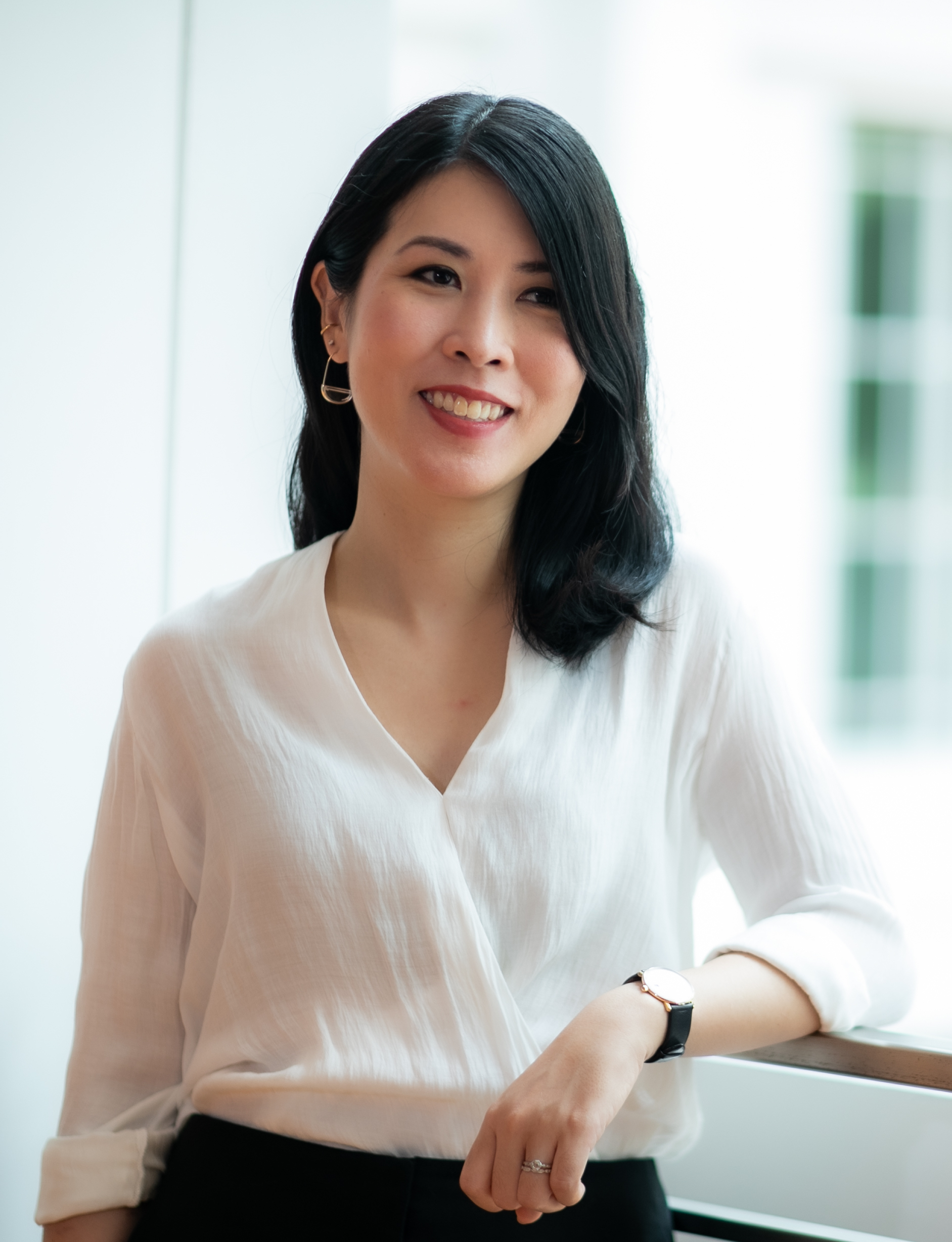
Director:SHIGAYA Daisuke
Born in 1994 in Kanagawa, Japan, he graduated from University College of Art. His graduation work “Spring Like Lovers” (2017) won awards in the competitions of the Pia Film Festival and the TAMA CINEMA FORUM. “Windows” (2021) screened in the Wide Angle - Asian Short Film Competition at the Busan International Film Festival. His first feature “Leave the Cat Alone” (2025) premiered in competition at Busan.
Director’s statement
What I illustrated in my first feature film “Leave the Cat Alone” was a story about memory.In particular, I reflected on the simple act of remembering.I feel that the threads and small miracles making up a film lie hidden in our everyday lives.
I wrote the “present” part of the script with the idea of treating fragments filmed seven years ago as the “vague past.” Through that process, another theme came to life — “seeing the present through the past.” This perspective was directed not only toward the fictional characters Asako and Mori, but also toward myself, the filmmaker.By reflecting on my past, I see where I am now.
In front of me now are my wife, a difficult letter from the city office on the dinner table, and my name in the column marked “head of the household.”
When the protagonists turn around to look back at their past, they come face to face with the flow of time that has already slipped away and begin to realize that their current identities are the result of their own decisions.
I was inspired by that floating feeling that comes when we suddenly remember a sweet, foolish, or embarrassing memory.With that as a motif, I wanted to capture within the film the pressing questions of with whom, where, and how I should live — and how I want to live.This is definitely not a grand story, but isn’t it one of those simple moments that happen in all our lives?
Schedule
11/25(Tue)18:30 -
Human Trust Cinema Yurakucho
Guest
SHIGAYA Daisuke (Director), FUJII Soma (Actor), MURAKAMI Yukino (Actor), TANIGUCHI Ran (Actor)