Programs - Special Screening
Back Home
11/23(Sun)10:25 -Asahi Hall
11/28(Fri)17:00 -Human Trust Cinema Yurakucho
©Homegreen Films
Taiwan / 2025 / 65min
Director:TSAI Ming-Liang
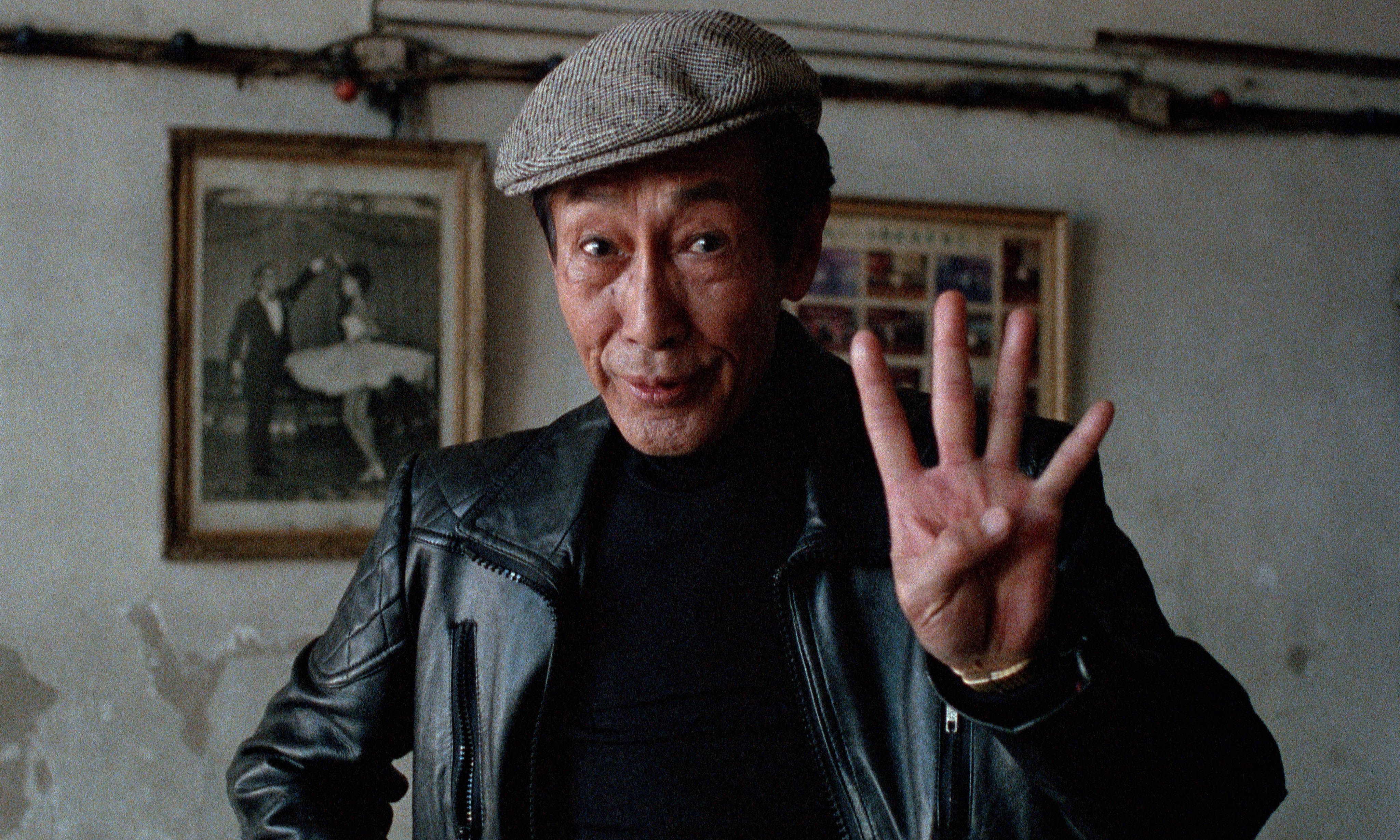
This documentary captures Anong—an actor known for appearing in many of Tsai Ming-Liang’s more recent films—returning to his home village in Laos. The film records Anong spending time at his family home, in addition to houses and various local structures, and local craftsmen carving Buddhist statues.
In narrative films such as “Vive l’amour,” Tsai Ming-Liang long focused on the neon-illuminated bustle of the city and the loneliness and alienation of its inhabitants. Recently his interests have broadened, as he has taken a step back from narrative filmmaking. Here, his gaze shifts away from urban scenery and towards that of the countryside—Laos, the home country of his present muse, Anong. Although the film follows him back to his native farming village, he appears only briefly at the beginning and the end, and the camera lingers instead in fixed shots on elevated, simple wooden homes, rice fields, farmhouses covered with boards, and local artisans carving Buddhist statues. The viewer of these static frames has their senses sharpened by environmental sounds alone—traffic, wind, etc. A meditative travel record that hushedly dismantles our received ideas of the meaning of “home.” The film had its world premiere in the Out of Competition section at the Venice Film Festival.
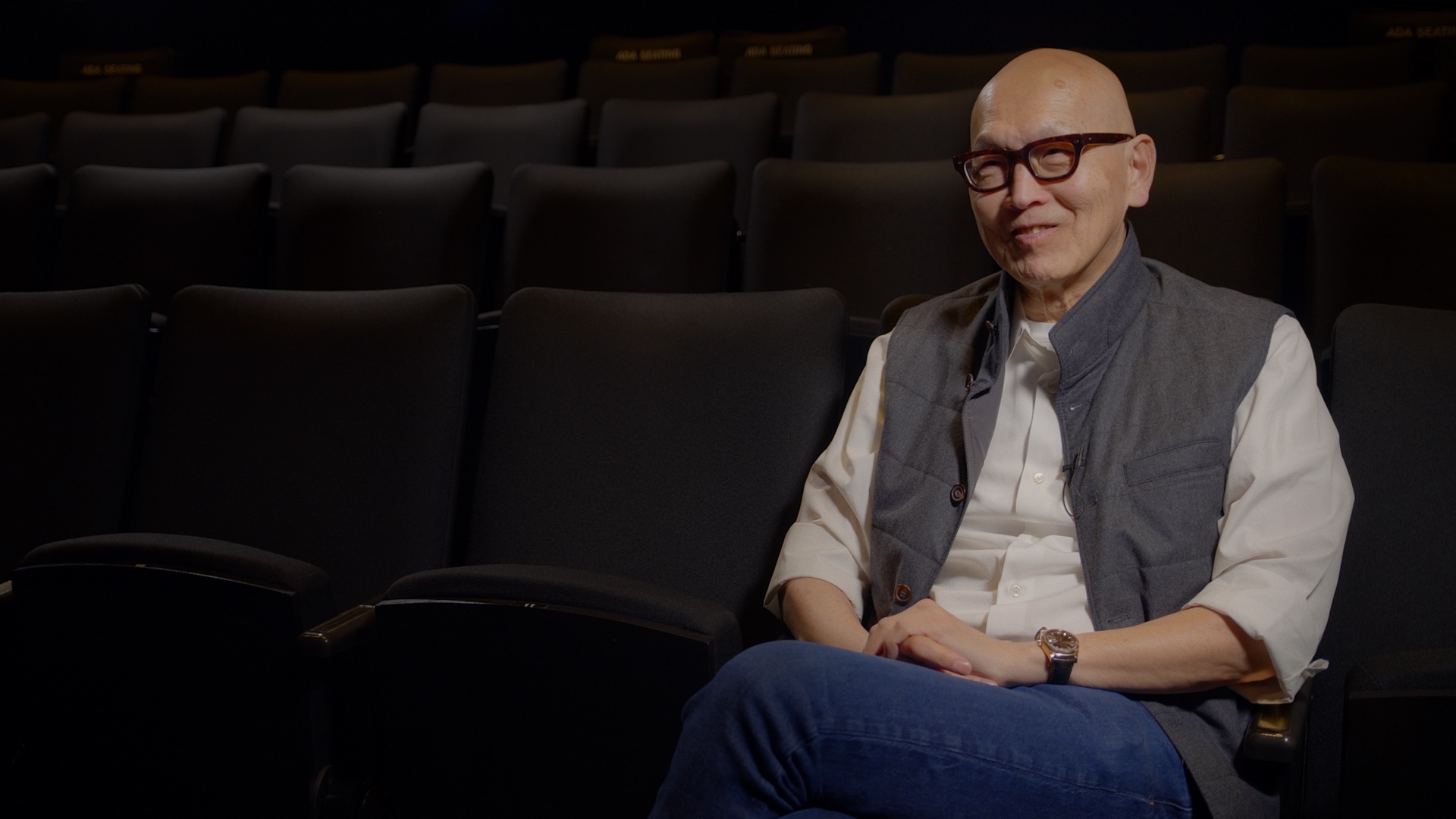
Director:TSAI Ming-Liang
Born in Malaysia in 1957, he made his feature debut with “Rebels of the Neon God” (1992), winning the Bronze Award in the Young Cinema Competition at the Tokyo International Film Festival. “Vive L’Amour” (1994) won the Golden Lion at Venice Film Festival, “The River” (1996) received the Jury Prize at the Berlinale, and “Hole” (1998) earned the FIPRESCI Prize at Cannes Film Festival, thus solidifying his status as a major filmmaker. His 10th feature, “Journey to the West”(2013), won the Venice Grand Jury Prize. Since then, he has focused on experimental shorts, documentaries, and art projects, including the acclaimed “Slow Walk” series.
Director’s statement
I haven’t written scripts for quite a long time. But I have not stopped making films. Days, Your Face, and The Night were all created without scripts. It’s clear that I’ve been working to break away from the many constraints of the film industry, moving toward greater freedom in developing my own kind of cinema. I call it Handcrafted Cinema.
Back Home was made with a small Canon camcorder and a Leica camera. It was just me, Anong, and one of his friends—we spent over two weeks filming in the rural areas of Laos. The editing was done by my collaborator in Taipei, Jhong-yuan Chang. I was truly excited to have made this work.
Schedule
11/23(Sun)10:25 -
Asahi Hall
11/28(Fri)17:00 -
Human Trust Cinema Yurakucho