Programs - Special Screening
Living the Land
11/29(Sat)17:20 -Asahi Hall
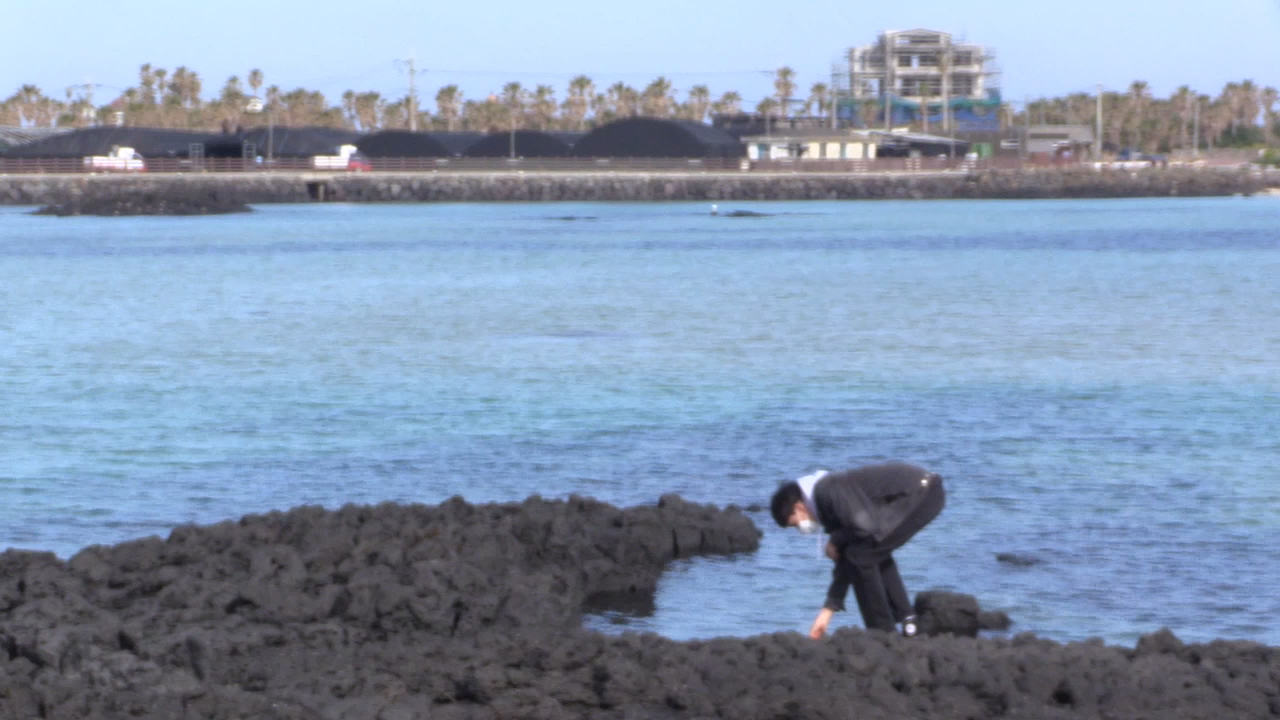
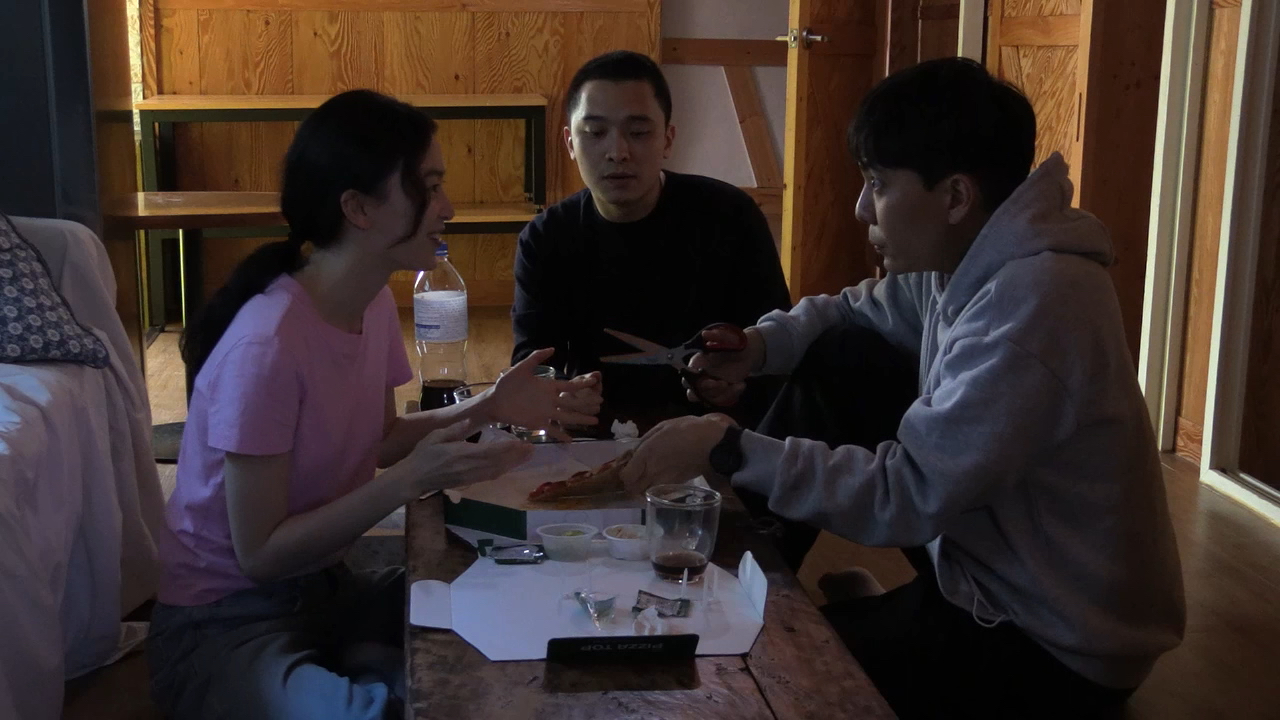
Photo by ©Floating Light (Foshan) Film and Culture Co.Ltd
China / 2025 / 129min
Director:HUO Meng
China, 1991. Chuang, the third child born in the family, was left behind when his parents decided to leave their village with his older siblings to seek work in the southern city of Shenzhen. Moving into his relatives’ in another village, Chuang continues to live under his original surname. Although he never fully feels a sense of belonging at his new home, Chuang continues his quotidian routine, adored by his great-grandmother and aunt.
The film patiently observes the lives of people in a rural village from spring to winter with unbiased lens. While China in 1991 stood on the brink of industrialization, the village where the young protagonist lives has neither telephones nor modern agricultural machinery, leaving the villagers almost completely separated from the outside world. The story is constructed not by plot but around major life events like funerals and weddings. Swept in the whirlwind of these events, the characters are guided toward an uncertain future regardless of their desire. Along the way, it becomes clear how they perceive things - morally or not - and how they persistently cope with hardships ranging from backbreaking labor to political oppression. While the story depicts an ordinary human drama, the film earnestly confronts the question of how the new generation inherits the burdens of their parents and older generations, swinging between resistance and despair as seasons turn and life goes on. The film world premiered in the Official Competition at the Berlin International Film Festival, winning the Silver Bear for Best Director.
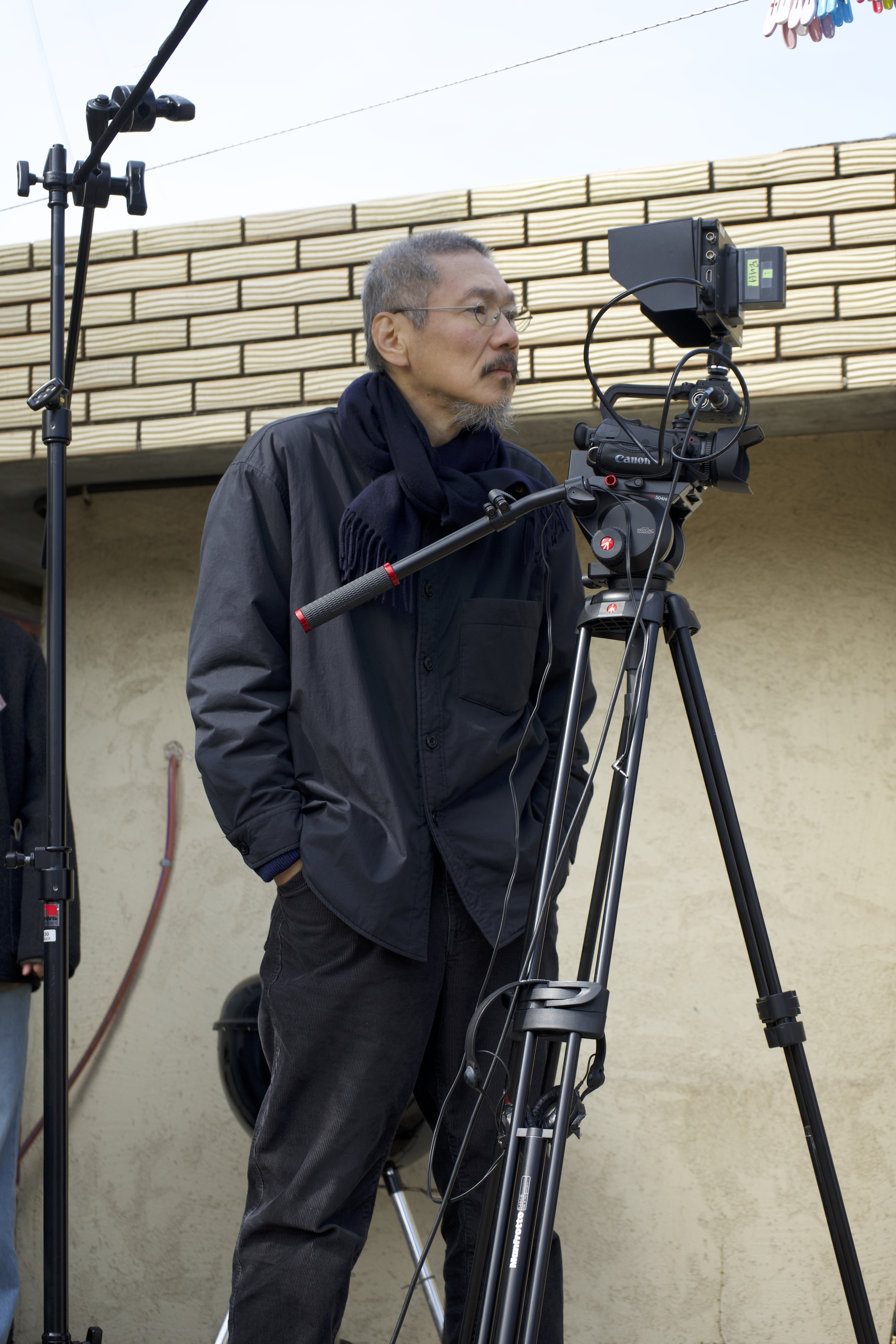
Director:HUO Meng
Born in Henan Province in 1984, he studied law at the Communication University of China and earned a master’s degree in film from the same institution. His directorial debut, “My Best Friends” (2016), was followed by “Crossing The Border – Zhaoguan” (2019), which won Best Director, Best Actor, and the Fei Mu Award at the Pingyao International Film Festival, Best Film at the Beijing Youth Film Festival, and Best Asian Director at Iran’s Fajr International Film Festival.
Director’s statement
“LIVING THE LAND” explores the profound impact of this historical moment on the traditions, emotions, and relationships of the Chinese people. Like an unstoppable wind, these changes swept through every aspect of life.
Set in rural China in 1991, the film’s story and emotions are rooted in centuries of history, culture, and tradition while also reflecting the mindset of contemporary Chinese society today.
I wanted to depict how, when collectivist social policies collided with traditions shaped over millennia, people were forced to adapt in ways that challenged their very way of life. I also felt it was important to depict the immense pressures that women faced – both socially and physically – that left lasting and often irreversible harm. These topics are vast, but are reflected in the personal stories of this one family.
My cinematographer Guo Daming and I considered the cinematic language to play a very important role. We wanted the film to feel contemporary—not purely naturalistic or confined to realism. How to incorporate my perspective and attitude, while supporting the narrative and creating atmosphere, was a topic of ongoing discussion during the filming process. Long takes, tracking shots, and the composition of intricate tableaus helped us achieve this. Collaborating with composer Wan Jianguo and sound editor Li Tao to build rich, layered sound design was also important in shaping the film’s texture.
We shot the film over a year, following the natural seasons to highlight the self-sufficiency of traditional rural life and its deep, cyclical connection to nature. Through the film, audiences witness how people cultivate their own food, build homes from the land, and sew quilts and clothes from the cotton they grow. While these elements are simple to describe in writing, bringing them to life on screen required meticulous planning and execution.
Filming across all four seasons and weaving a narrative that spans four generations allowed us to construct a far-reaching, immersive world where the topics of life, existence, and the passing of time could unfold, while still leaving space for interpretation.
Most importantly, I am deeply grateful to the cast who brought this film to life. Many of them endure immense pressures in their daily lives, which can create an outward impression of indifference or emotional restraint. Yet during filming, each performer infused their role with their own lived experiences, merging seamlessly with their characters. Their performances reveal not just fictional portrayals but deeply personal, intricate emotional landscapes—layers of feeling that might otherwise remain hidden. This reaffirmed for me that, no matter how harsh life can be under an unyielding system, every individual carries an innate need for art and expression. I will always remember Zhang Caixia, who played Grannie Guilan, saying to me at the end of filming: “Thank you, Meng. I want to live my own life from now on.”
Schedule
11/29(Sat)17:20 -
Asahi Hall