Programs - Special Screening
Put Your Soul on your Hand and Walk
11/30(Sun)17:35 -Asahi Hall
Guest
Sepideh FARSI (Director)
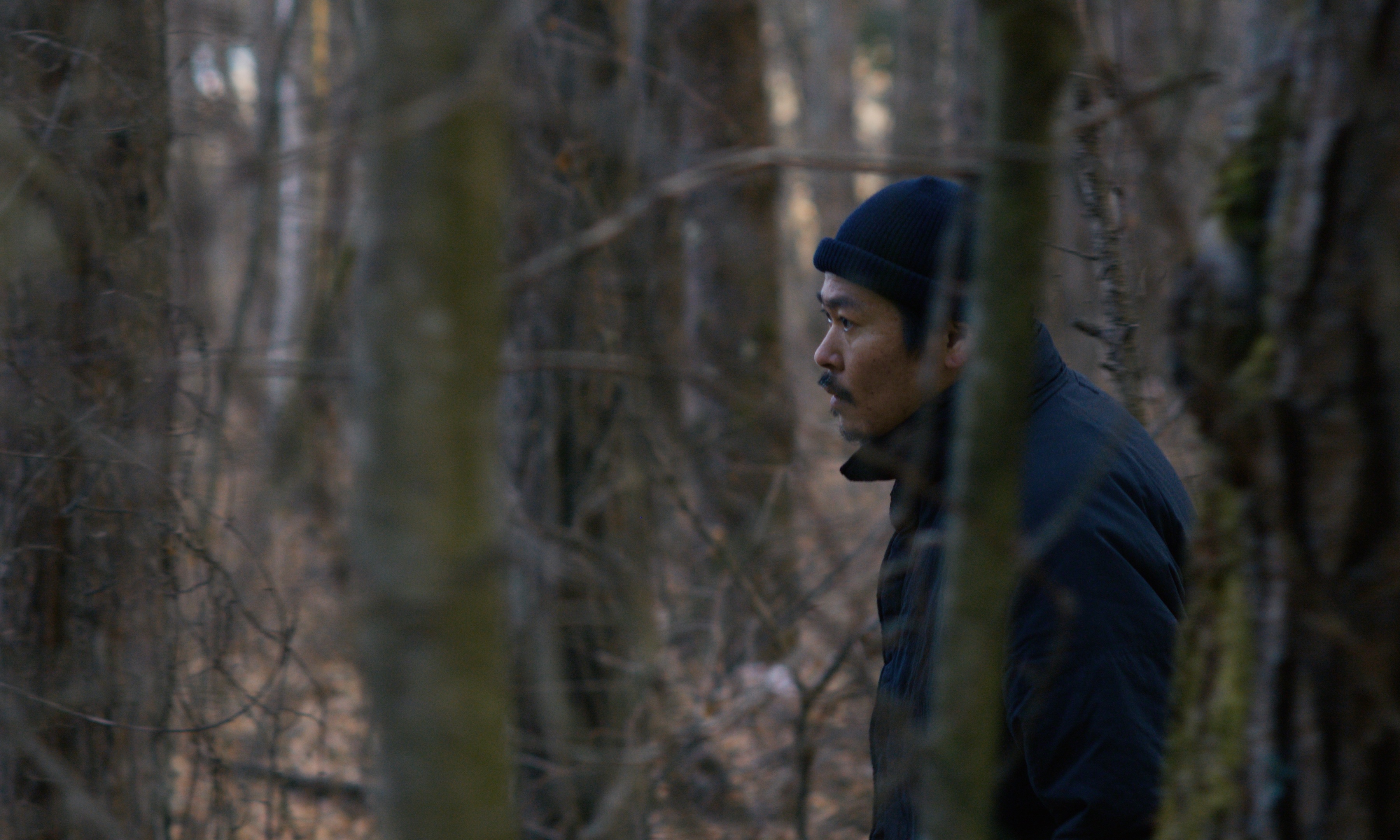
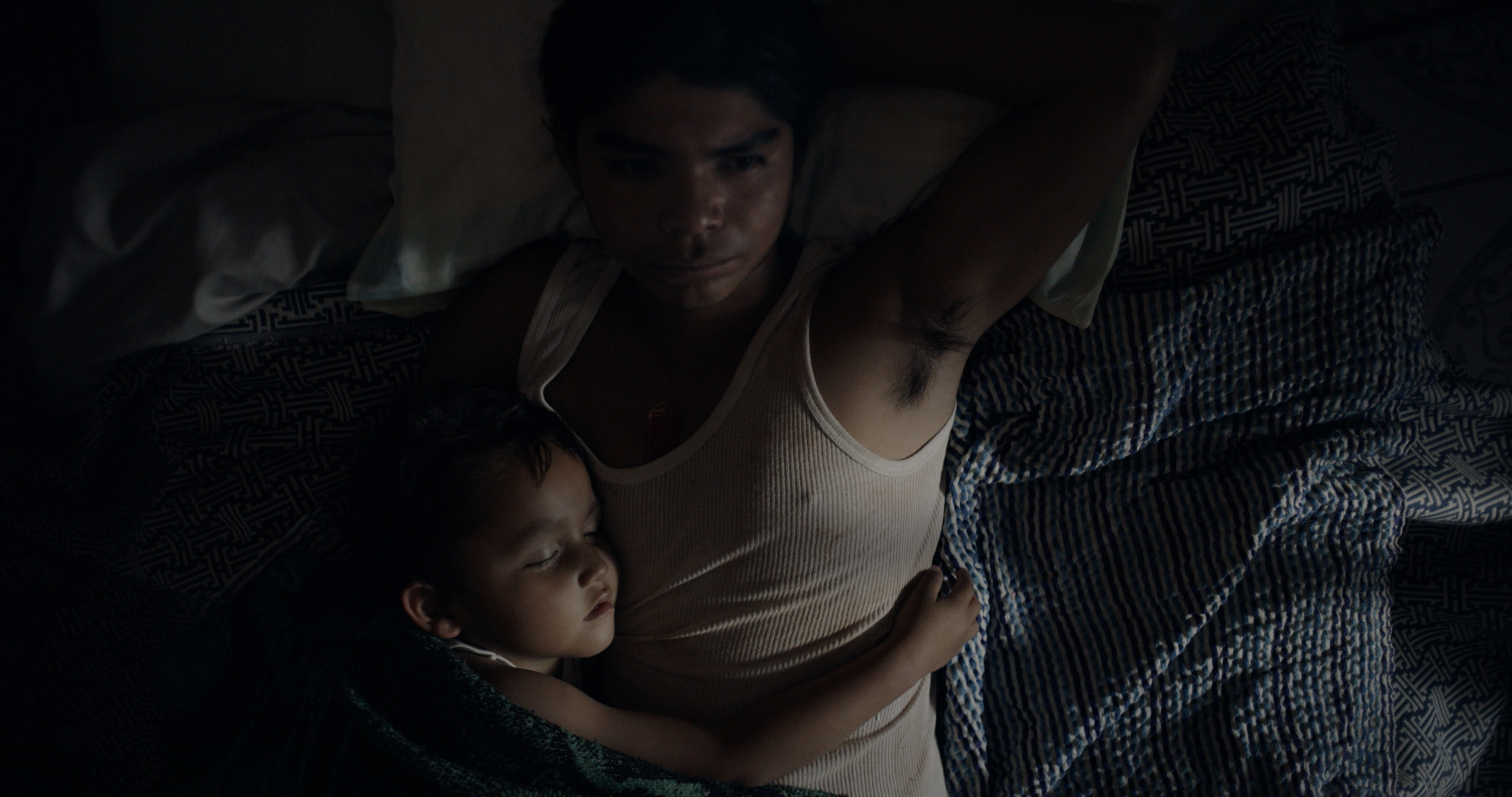
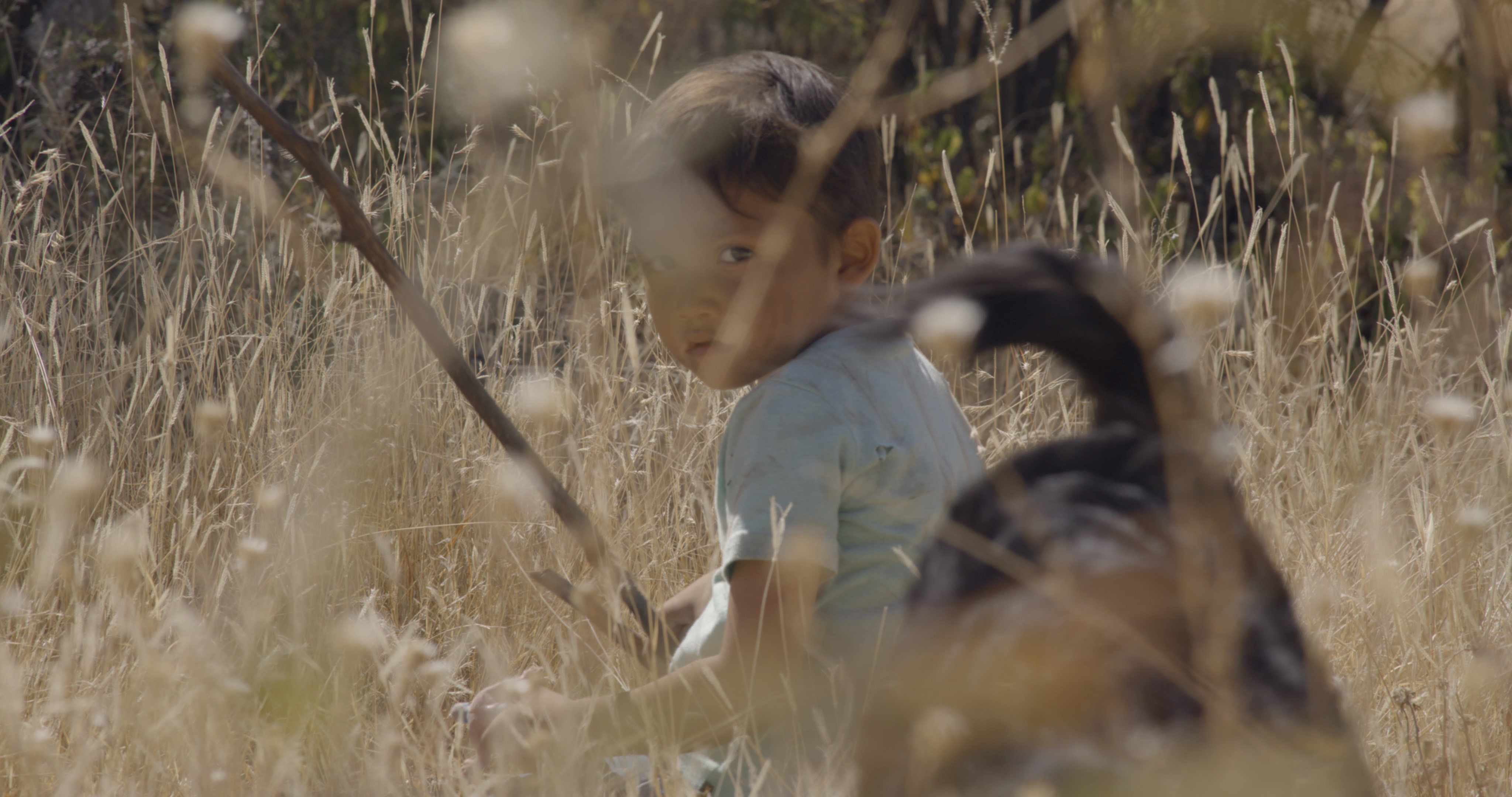


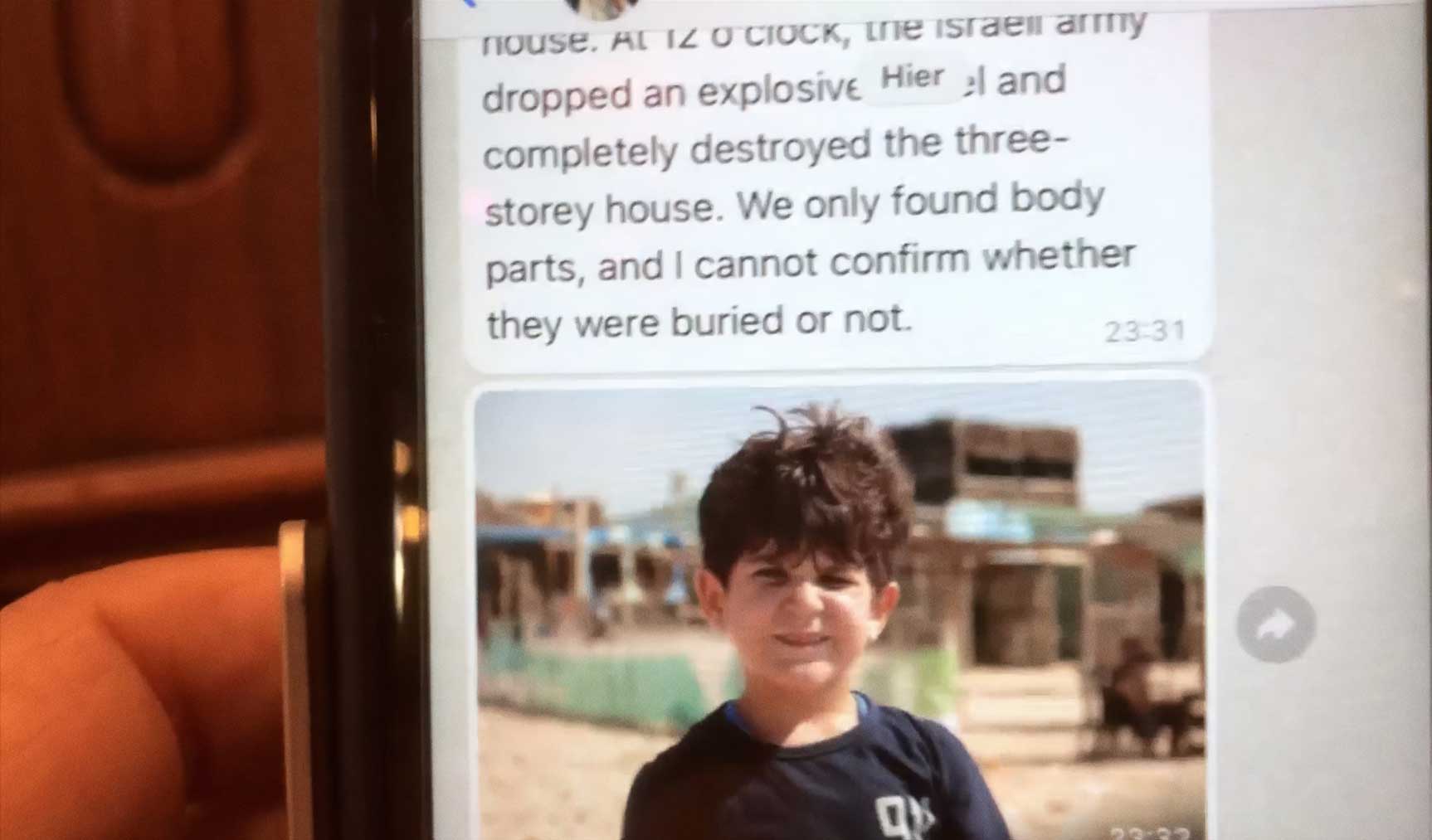

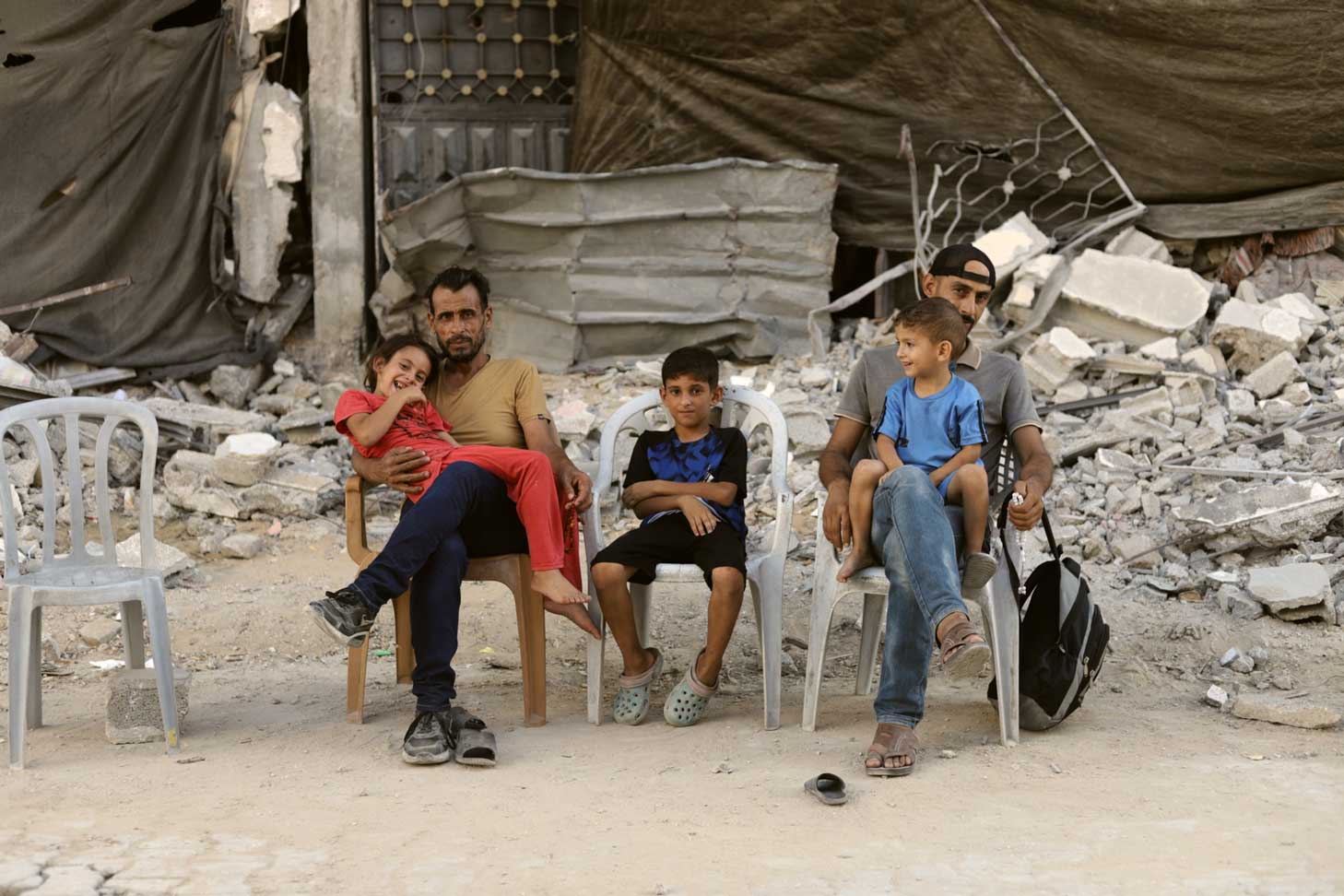

(c)Sepideh Farsi Reves d’Eau Productions / ©Fatma Hassona
France, Iran / 2025 / 113min
Director:Sepideh FARSI
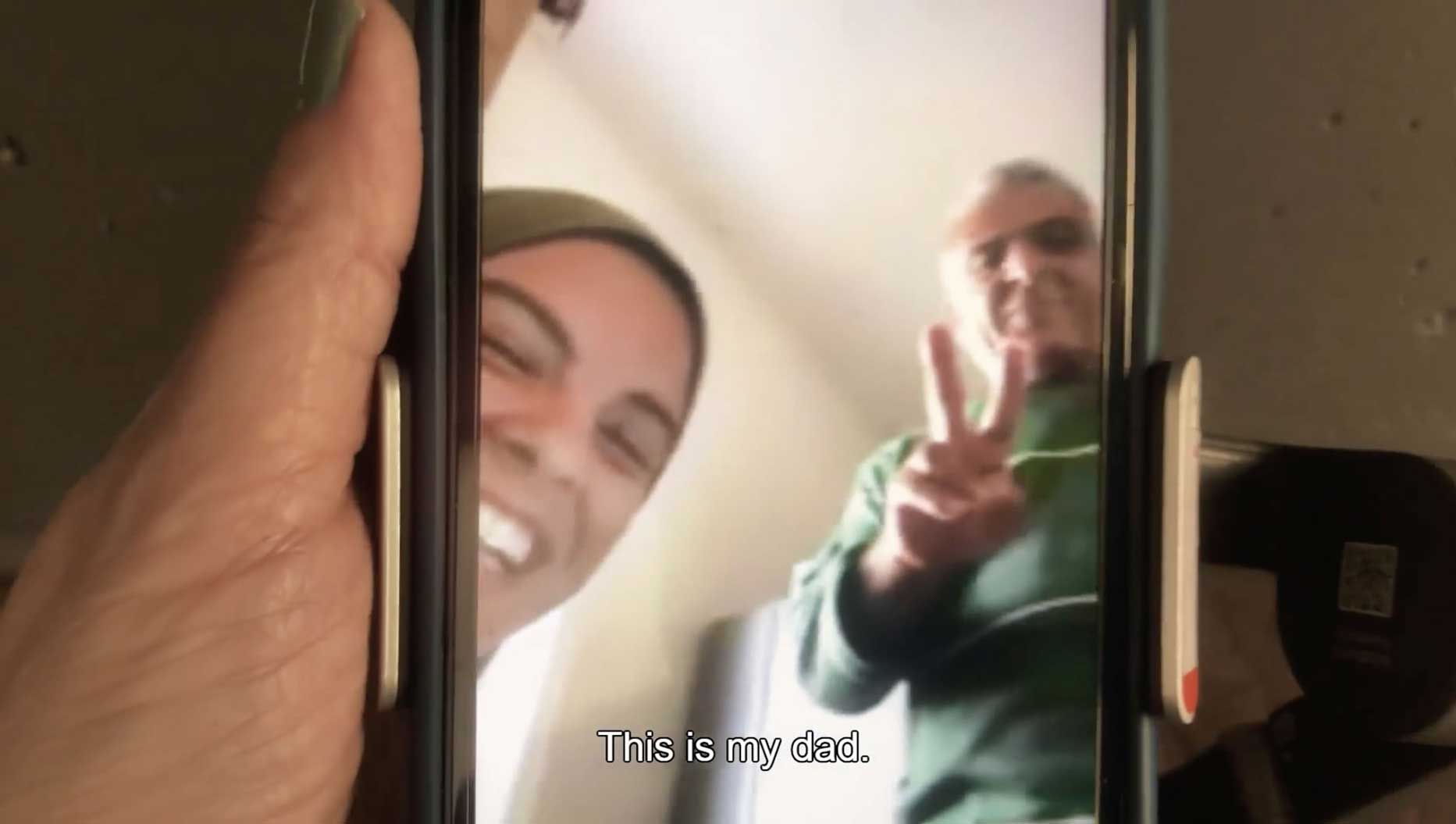
A documentary created by Iranian filmmaker Sepideh Farsi, out of about a year of video calls with local Palestinian photojournalist Fatma Hassona, to convey the reality of life in blockaded Gaza. The lives of people surviving with strength amidst bombings and hunger are captured through her eyes.
A record of a year of video calls conducted via smartphone between young photojournalist Fatma Hassona, living in Gaza, Palestine, and filmmaker Sepideh Farsi. Despite an unstable connection in which their calls are often interrupted, Hassona shares her photographs and recites poetry, layering words about a city reduced to rubble by bombings, the actions of ordinary people, the twilight sky, the flutter of scarves, the family members she lives with, and those already lost to war. The viewer is deeply struck by how, even face-to-face with a situation awful beyond all imagining, she never stops smiling or interrupts her daily life. The film had its world premiere in ACID, a parallel section of the Cannes Film Festival, however the day after its selection was announced, Hassona and several members of her family were killed in an Israeli airstrike on their home. Tragically and with bitter irony, her death has given the film even greater significance—as both a record of her life and a testament to the reality of war.
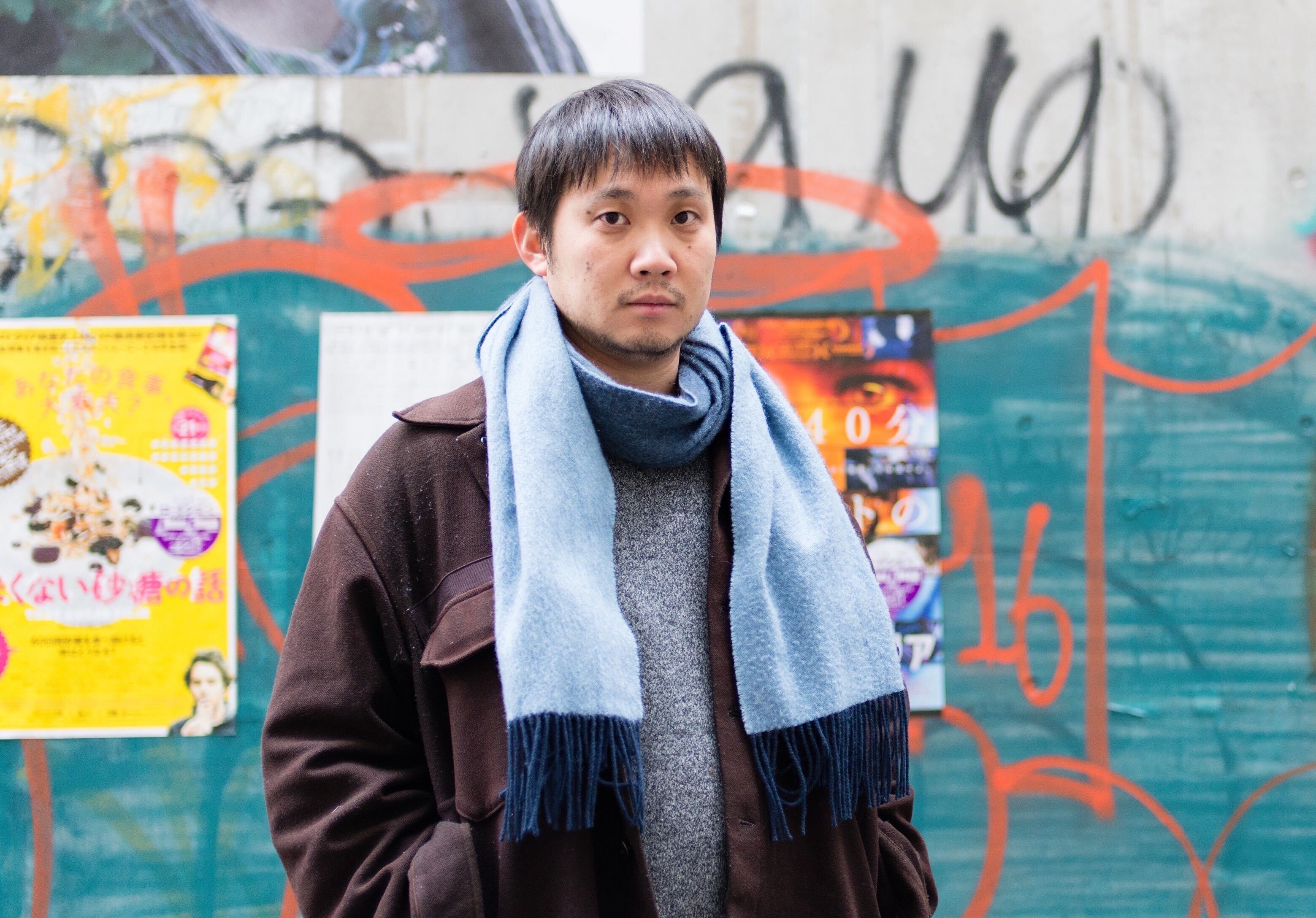
Director:Sepideh FARSI
Iranian director Sepideh Farsi experienced the revolution at 13, was imprisoned at 16 as a dissident, and left her native Iran at 18. Based in Paris since then, she has studied mathematics, taken photos, and made some fifteen films — documentaries, fiction, and animation — among which “Tehran Without Authorization” (Locarno), “Red Rose” (Toronto), and “The Siren,”a feature animation that deals with the Iran-Iraq war, which was the opening film of the Berlinale Panorama section and has won numerous awards since.
She is currently working on an “Iranian Western” film project, and also developing an animation project inspired by her life, called “Memoirs of an Undutiful Girl,” all the while fighting for the instauration of democracy in Iran.
Director’s statement
“The man who wore his eyes”
Maybe I'm ushering in my death
now
Before the person standing in front of me loads
His elite sniper rifle
And it ends
And I end.
Silence.
“Are you a fish?”
I did not answer when the sea asked me
I didn't know where these crows came from
And pounced on my flesh
Would it have seemed logical?
-If I said: Yes-
Let these crows pounce
at the end
On a fish!
She crossed
And I did not cross
My death crossed me
And a sharp sniper bullet
I became an angel
For a city.
Huge
Bigger than my dreams
Bigger than this city
Fatem
Gaza
Those are the words of Fatma Hassona (or Fatem to her friends), an excerpt from a long poem called The Man Who Wore His Eyes. A poem with the scent of sulfur, the scent of death already, but that is also full of life — like Fatem, until this morning, before an Israeli bomb took her life, as well as the lives of her entire family, reducing their house to rubble.
Fatem had just turned 25. I got to know her through a Palestinian friend in Cairo, while I was desperately seeking a way to reach Gaza, all the while hitting blocked roads, looking for the answer to a simple and complex question: How does one survive in Gaza, under siege for all those years? What is the daily life of the Palestinian people in their war-torn country? What is it that the state of Israel tries to erase in this tiny space of several hundred square kilometers, with so many bombs and missiles, and by starving the population of Gaza?
And in this way, Fatem became my eyes in Gaza, and I, her window open to the world. I filmed, capturing the moments we had during our video calls — everything that Fatem, so fiery and full of life, was sharing with me. I filmed her laughter, her tears, her hopes, and her despair. I followed my instinct, without knowing beforehand where those images would lead us. Such is the beauty of cinema. The beauty of life. When I heard the news on April 16th, I first refused to believe it, thinking it was a mistake — like the one a few months ago, when a family with the same surname had perished in an Israeli attack. Incredulous, I called her, then sent her a message, then another one, and another.
All those bright lives were crushed by a finger that pressed a button and dropped a bomb to erase one more house in Gaza. There are no more doubts about it: what is occurring in Gaza today is not — and has not been for a long time — an answer to the crimes committed by Hamas on October 7. It is a genocide committed by the state of Israel.
Schedule
11/30(Sun)17:35 -
Asahi Hall
Guest
Sepideh FARSI (Director)