Programs - FILMeX Competition
The World of Love
11/25(Tue)21:05 -Human Trust Cinema Yurakucho
11/29(Sat)13:45 -Asahi Hall
Guest
YOON Ga-eun (Director)、SEO Su-bin (Cast)
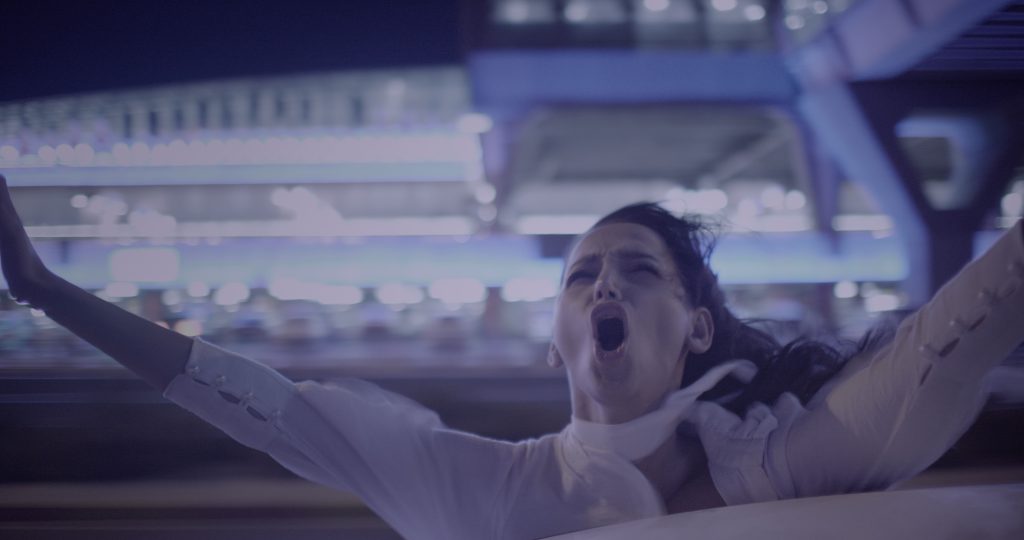
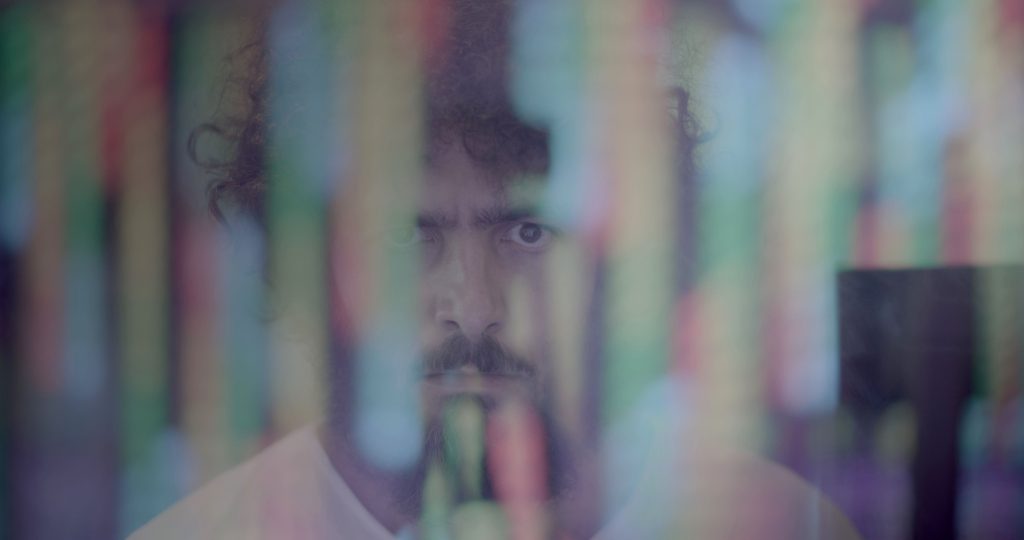
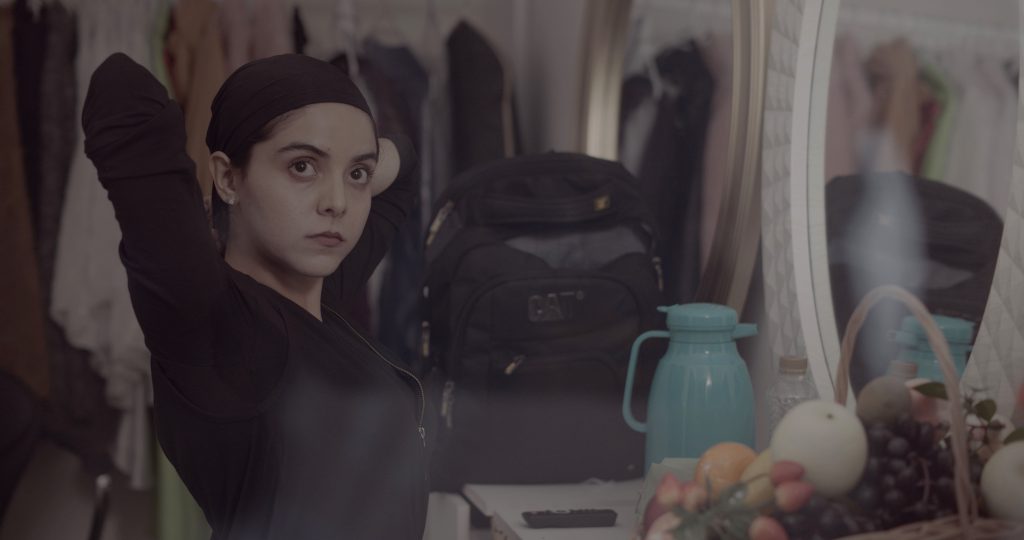
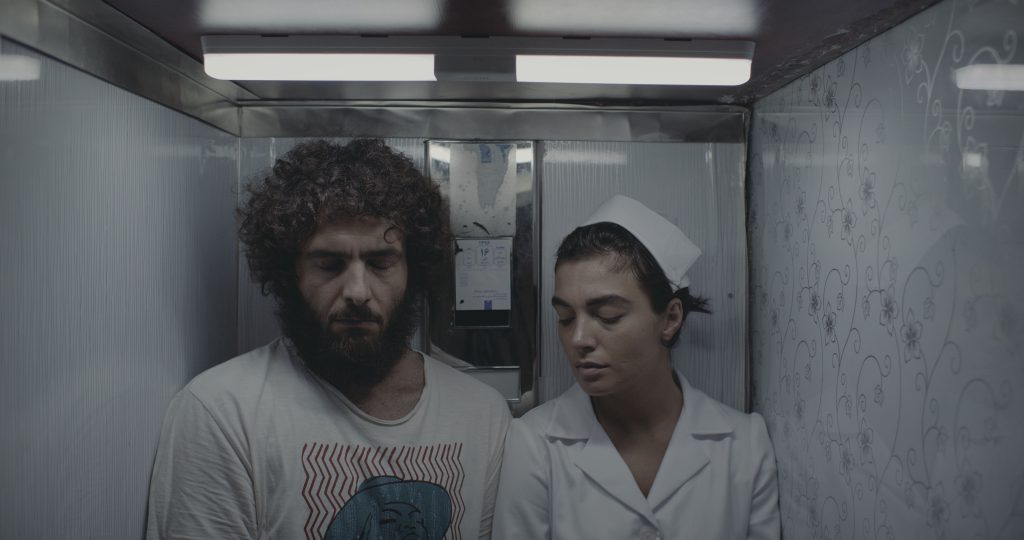
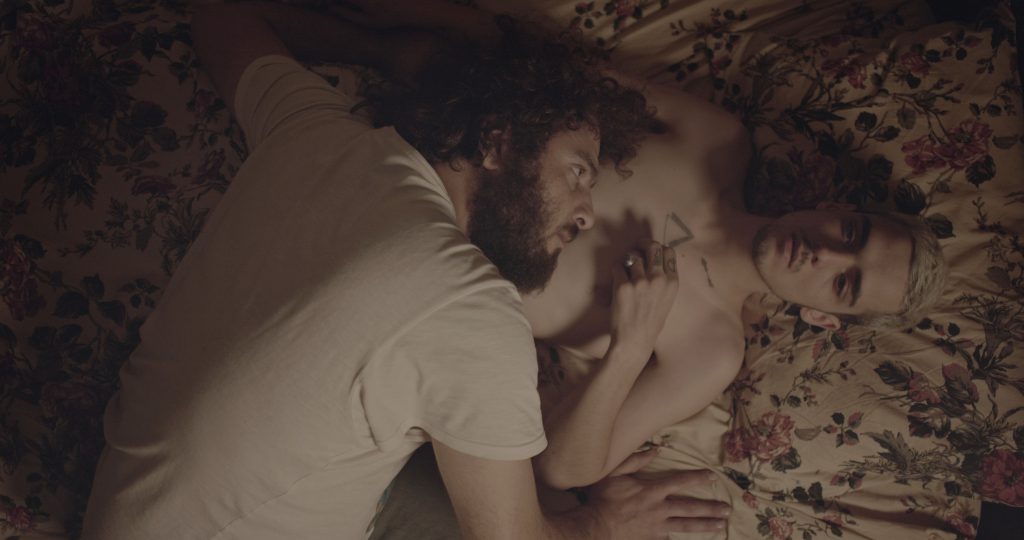

South Korea / 2025 / 119min
Director:YOON Ga-eun
The 17-year-old high school girl protagonist of Yoon Ga-eun’s latest film is cheerful and fearless. Some careless words spoken in anger spark an uproar at school, and an anonymous letter she receives is only the start of the breakdown of her once calm daily existence. A delicately depicted story about a young girl confronting a past she’d rather forget, as she tries to regain a semblance of normality.
Yoon Ga-eun, known for “The World of Us,” returns with her first new film in six years—a powerful yet delicate human drama that delves deeply into the complex emotional world of adolescence. Jooin is a high school student whose lively and uninhibited behavior masks her emotional scars. As secrets from her past come to light and the way she is viewed by those around her starts to shift, we see how she looks for ways to confront and overcome her personal history. In Korean, the word jooin[1] means “owner,” and the original Korean title of the film translates directly as “The Owner of the World.” These suggest a person who refuses to be defined by their complex past, and asserting ownership of their life as the protagonist of their own story. The film not only transcends stereotypical portrayal of victimhood but also sensitively examines how hard it is for people to relate to those who have suffered trauma, such as the conflict that arises when survivors respond in unexpected ways. The impact of epiphanal moments is intensified by how the eye of the camera remains restrained and observational as it teases out the characters’ inner conflicts and subtle emotional shifts. This film premiered in the Platform section of the Toronto International Film Festival, and won the Audience Award at the Pingyao International Film Festival.
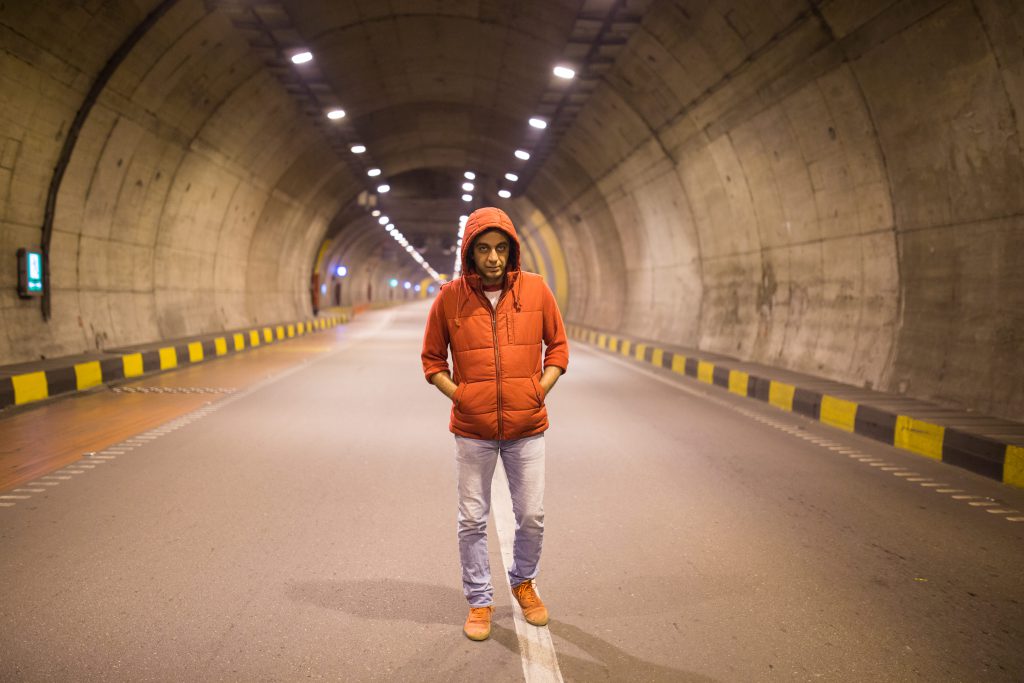
Director:YOON Ga-eun
Born in Seoul in 1982, she became the first Asian filmmaker to win the Grand Prix at the Clermont-Ferrand International Short Film Festival with “Guest” (2011). Her short “Sprout” (2013) won the Crystal Bear at the 64th Berlinale. Her debut feature “The World of Us” (2016) screened at over 30 international festivals and won the Audience Award at the Tokyo FILMeX 2016. Along with “The House of Us” (2019), her films tenderly yet insightfully capture the world through children’s eyes.
Director’s statement
Sometimes, utterly unexpected accidents entirely overwhelm our lives. And thus we may suffer irreparably deep wounds and may become consumed over many years by pain and despair. But why do some wounds cause pain that lasts eternally, while others quickly fade from memory? Why, after experiencing the same accident, do some people fall into endless despair while others can advance to infinite growth? Is what really drops us into hell the tragedy itself, or our perspective and attitude when faced with tragedy?
The World of Love is a story about the miracles created by ordinary people who nevertheless have extraordinary courage and who resolve to live their own lives, rather than be defined by past events. No one can foresee and prevent a tragedy that suddenly strikes their lives. However, it is possible to alleviate the pain caused by it, to live with the wounds, and to go out into the bigger world despite it. I believe that if we can gather the courage to find our own truth and give voice to it, we will realize that absolutely no one is alone, and that we are all closely connected. In this way, we can maintain ourselves and move strongly forward into a deeper and wider world, even while embracing scars that will remain forever.
Even at this very moment, there are a good many people who are diligently living out their days, personally proving this simple truth. The stories of these real heroes are not reported in the news, but they are living in the midst of life as your family, friends, and colleagues, and they are establishing and creating their own lives by themselves every day. The moment of disaster passes, but life continues even after the disaster. In this film, Jooin is us, the most ordinary of people, who trudge along living our lives even after such a disaster.
When I was facing numerous concerns about this film, I came across an interview with Professor LEE Ji Sun of the Department of Social Welfare at Ewha Womans University. It was an interview where she talked about her journey from an unexpected accident in her early twenties that left her with burns all over her body, to her long recovery, up to the present, and every single word of hers touched my heart deeply. Among the things she said, there was one that gave me a clue about the direction The World of Love should take moving forward. “Just as your lives have joy, anger, sorrow, and pleasure, my life also has ordinary joy, anger, sorrow, and pleasure, so please don’t think of it as too special.” I still think about these words often.
Schedule
11/25(Tue)21:05 -
Human Trust Cinema Yurakucho
11/29(Sat)13:45 -
Asahi Hall
Guest
YOON Ga-eun (Director)、SEO Su-bin (Cast)