Programs - FILMeX Competition
Cactus Pears
11/23(Sun)12:20 -Asahi Hall
Guest
Bhushaan MANOJ (Cast)
11/27(Thu)16:15 -Human Trust Cinema Yurakucho


India, UK, Canada / 2025 / 112min
Director:Rohan Parashuram KANAWADE
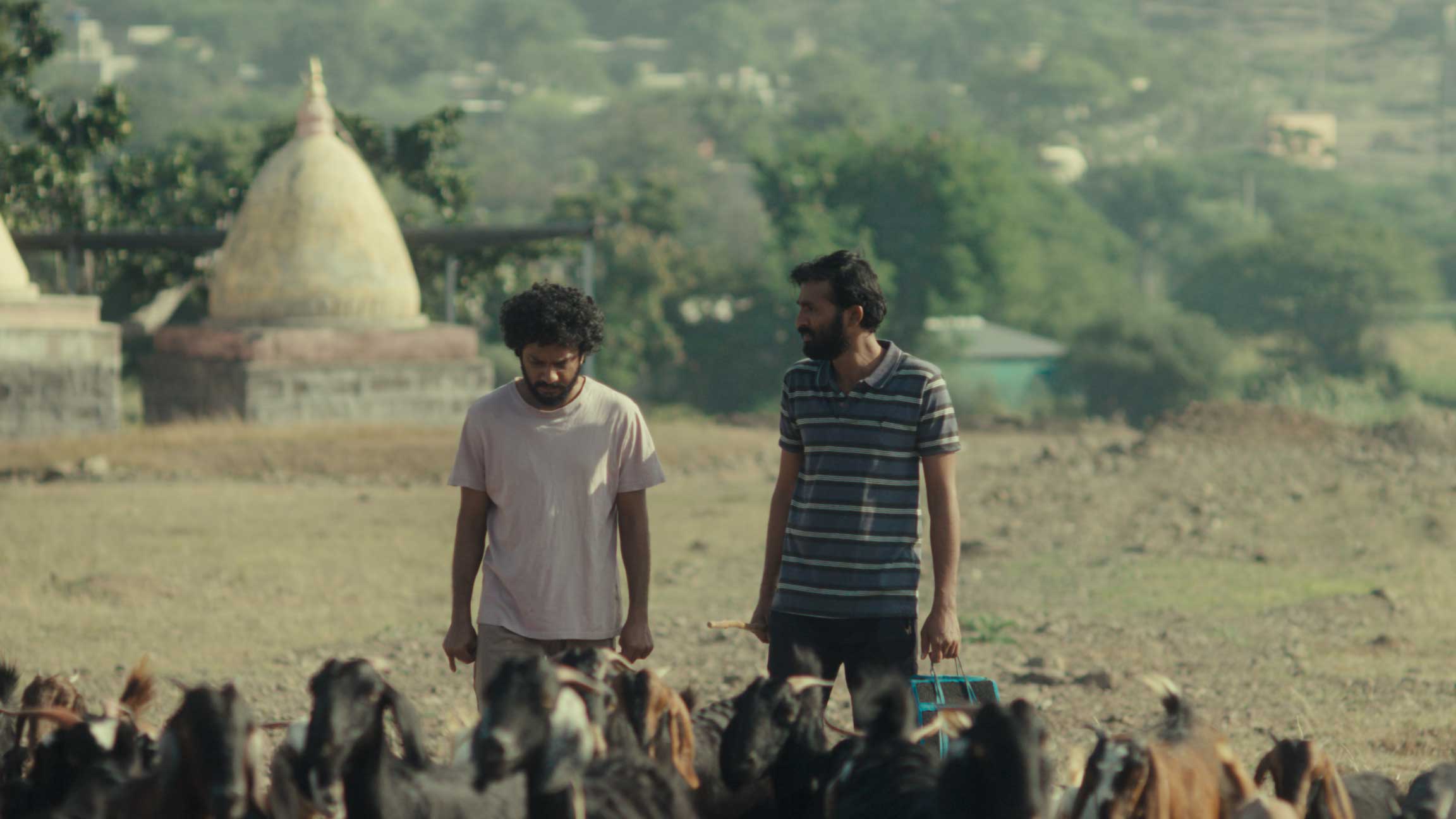
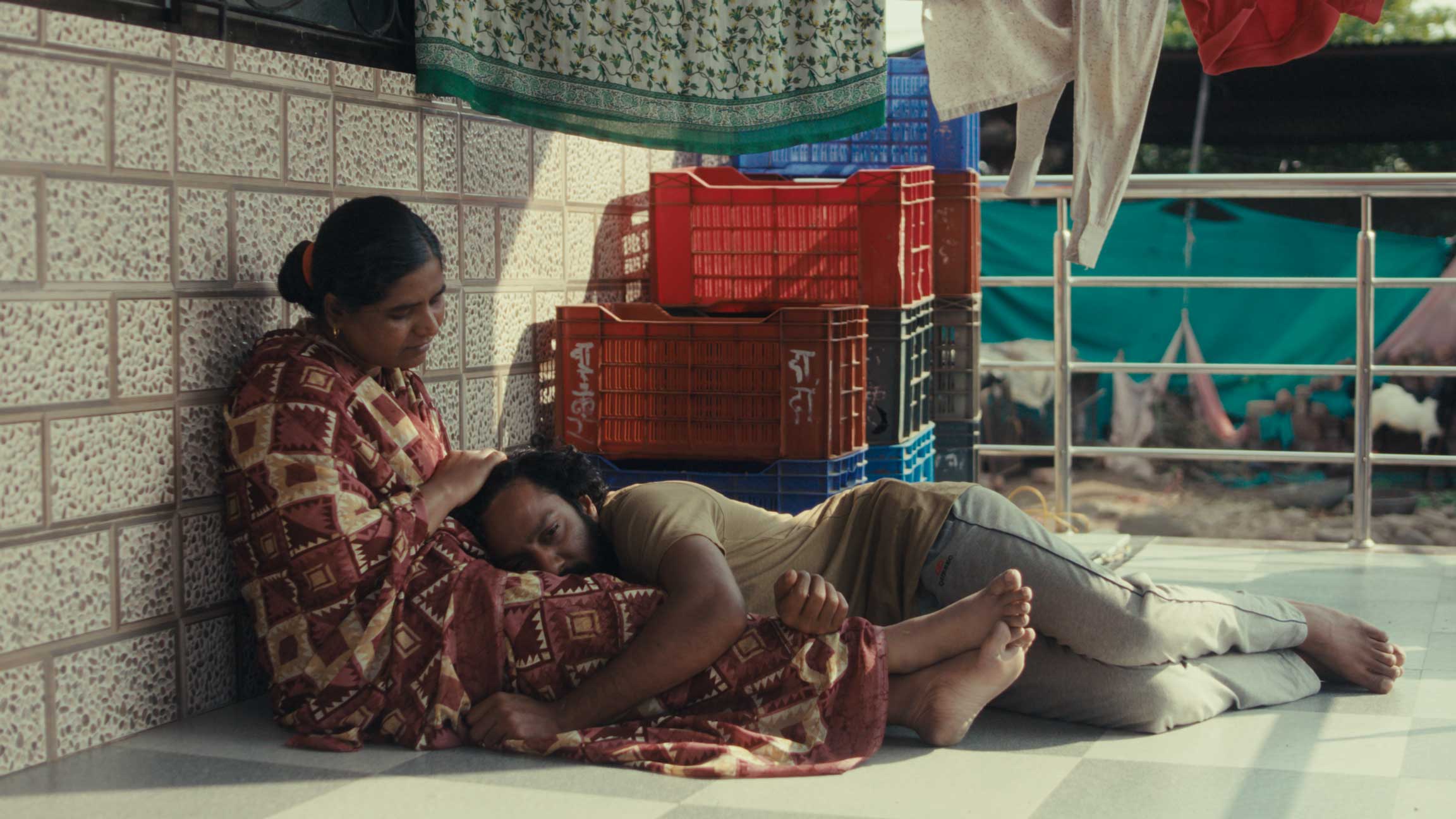
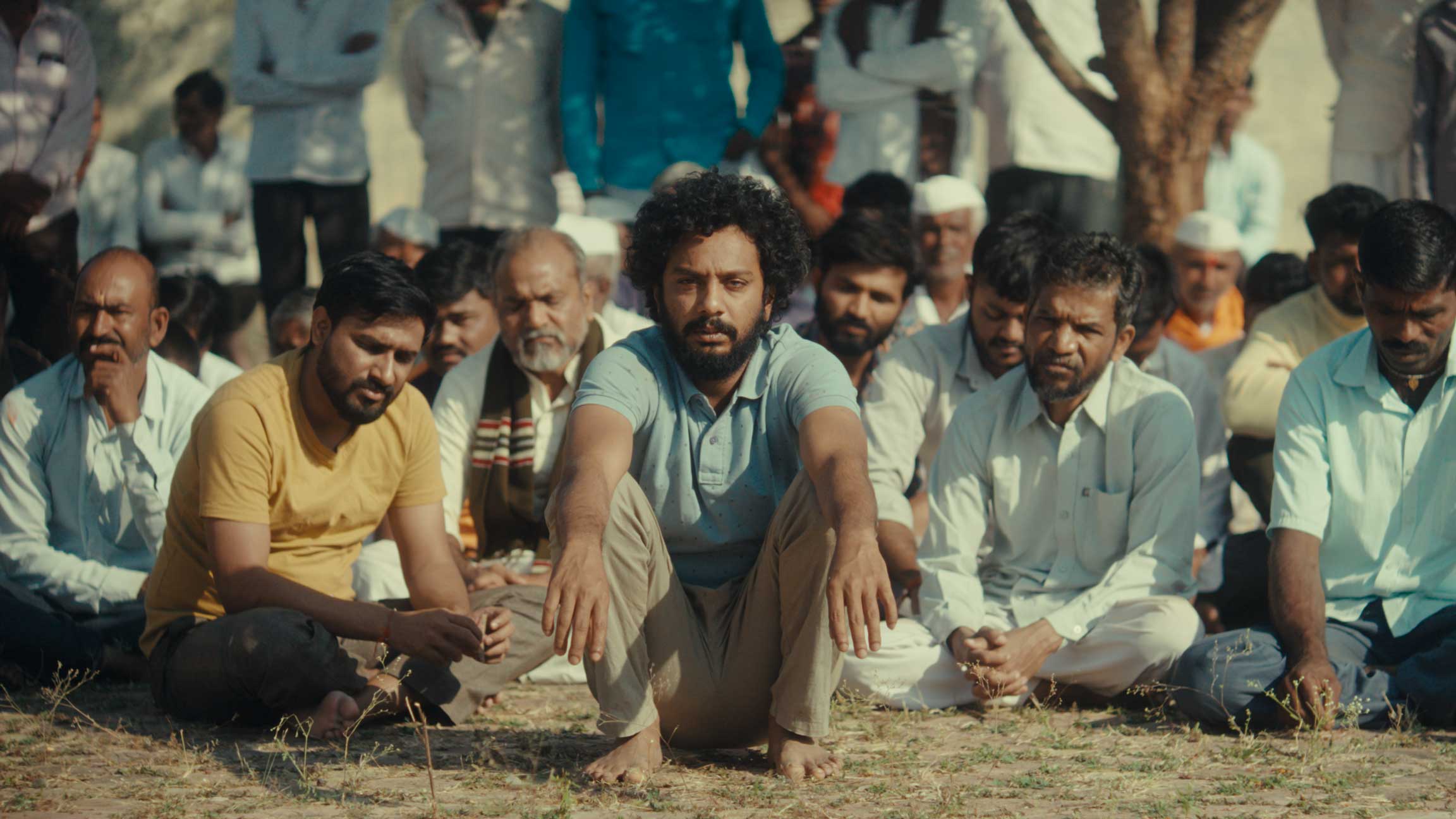
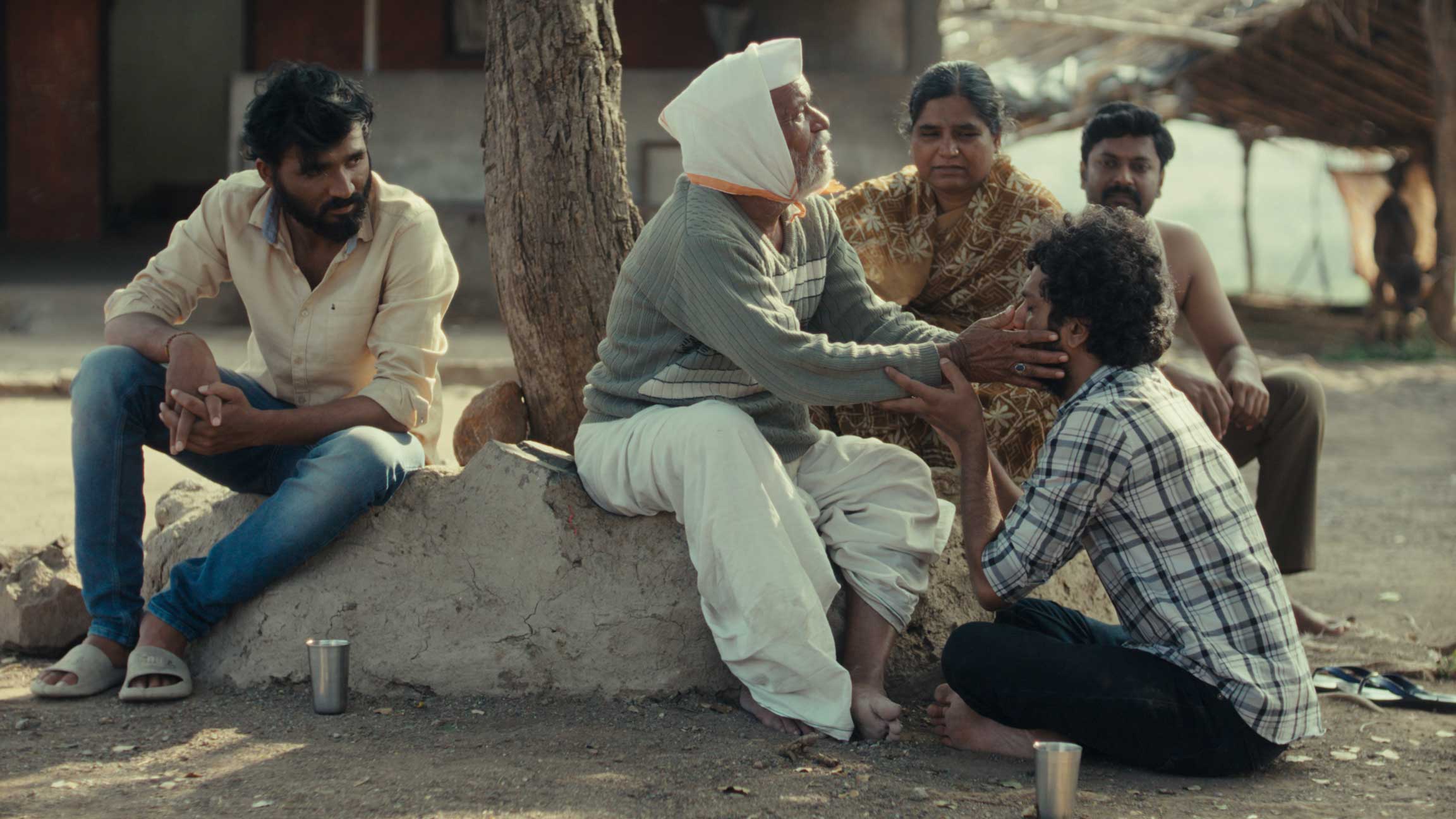
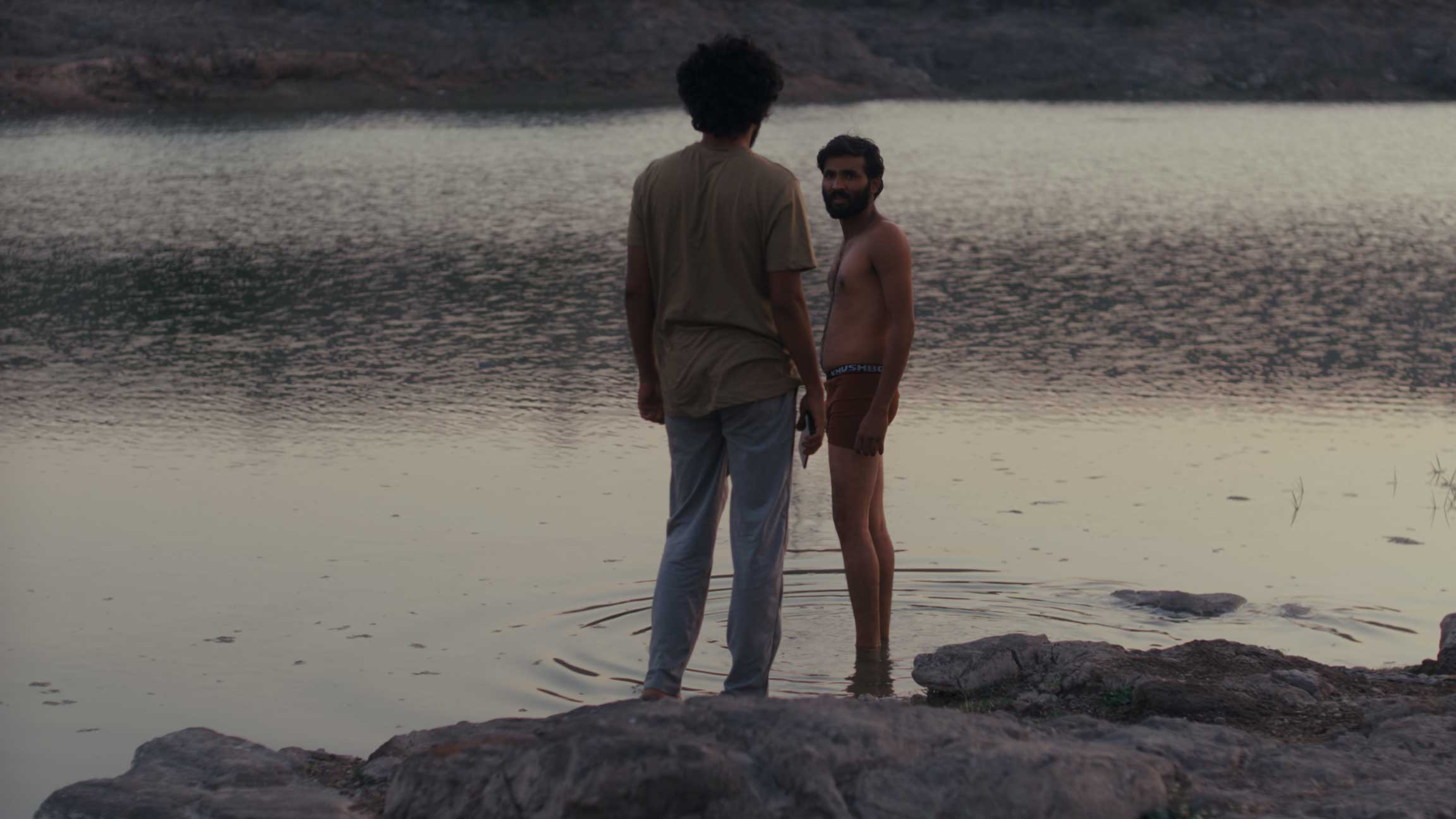
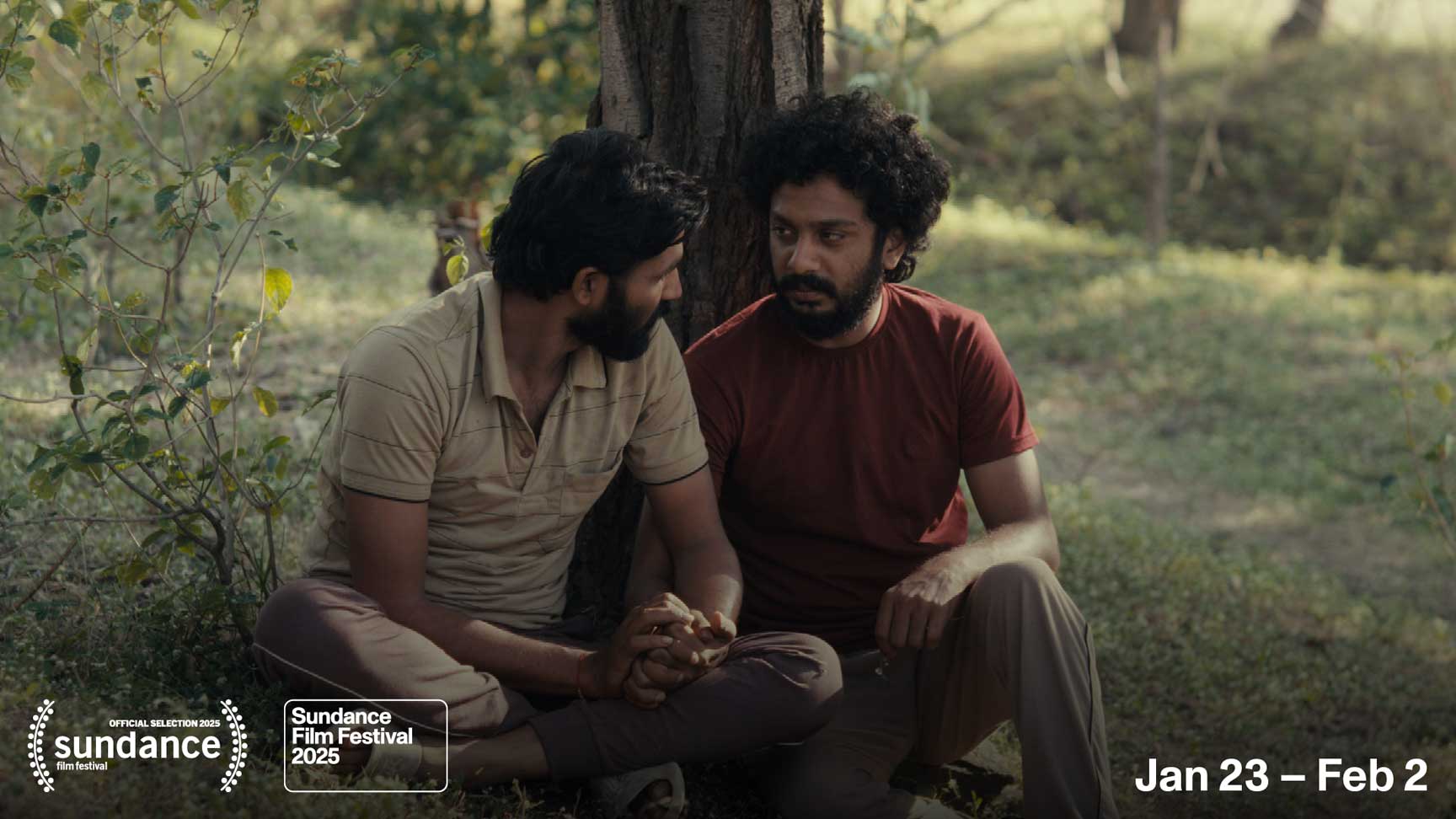
When his father dies, Mumbai youth Anand returns to his hometown in western India to observe a traditional mourning ceremony. While facing pressure from local traditions and relatives twisting his arm to get married soon, Anand reunites with childhood friend Balya, who faces the same pressure from his family. As the two spend time together, a secret bond grows between them. After the 10th day of mourning, where will this bond take them?
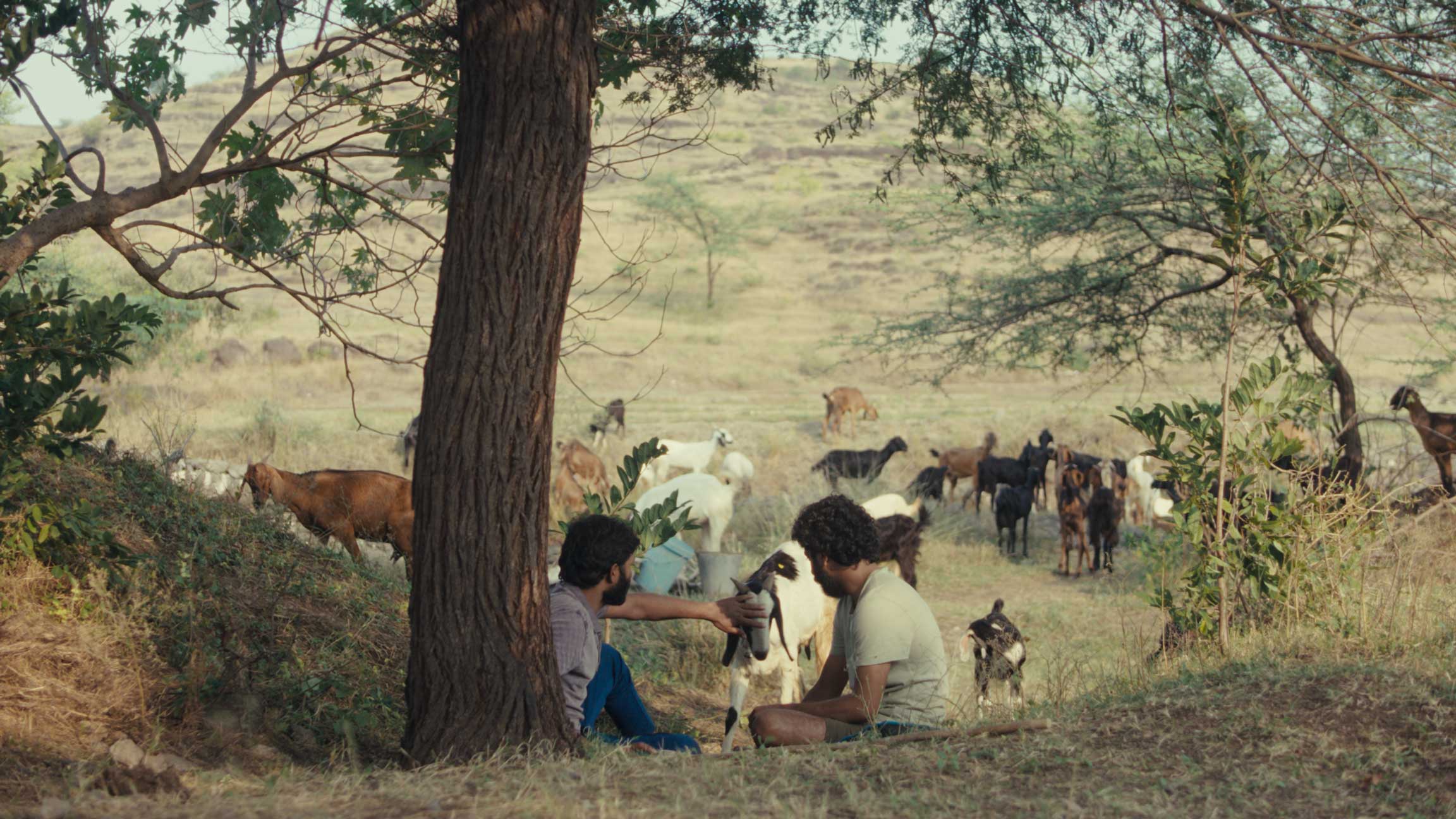
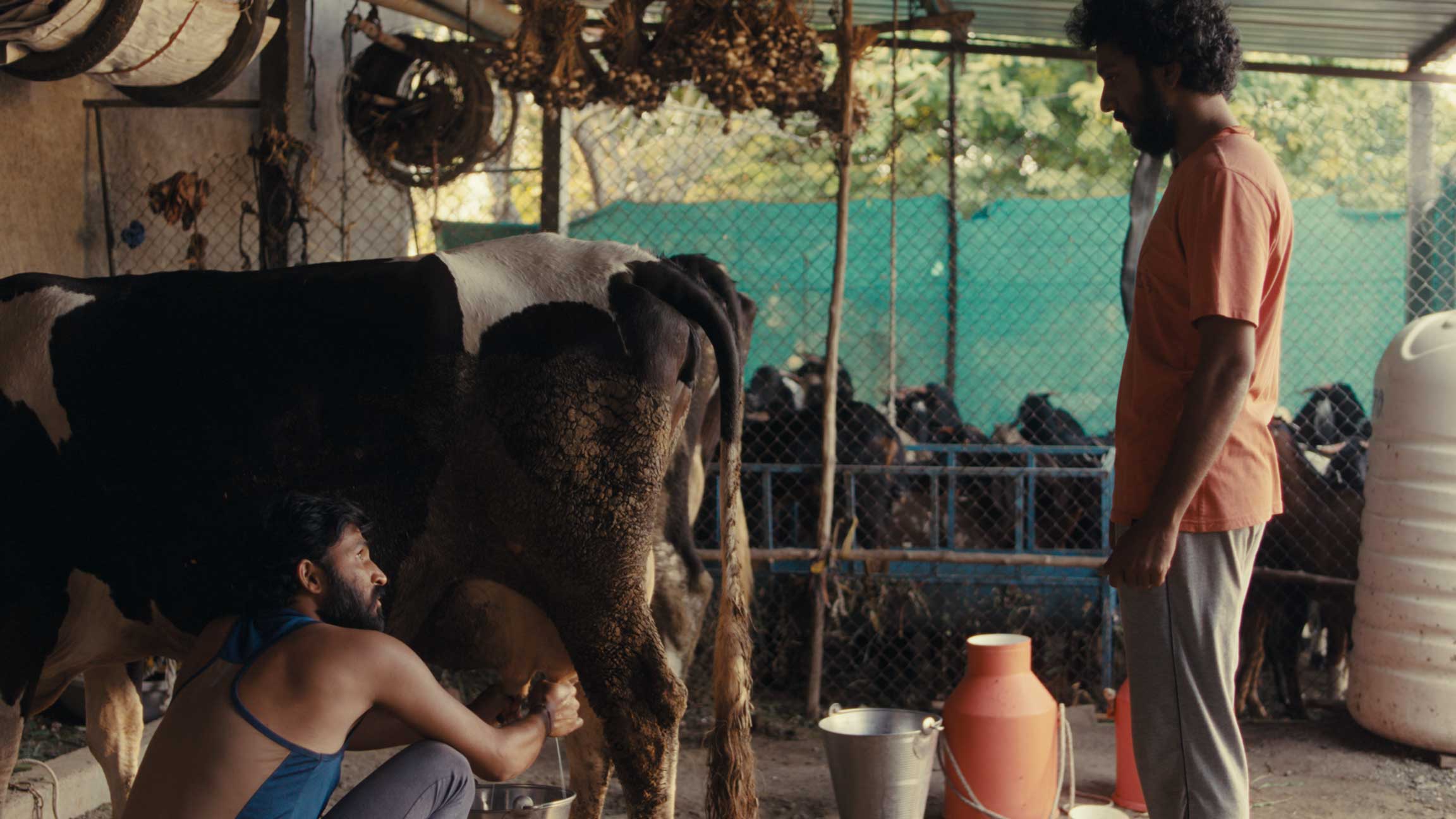
City dweller Anand returns to his hometown to attend his father’s 10-day mourning ceremony. Encountering the traditions of farmland and the pressure from his relatives to get married, Anand finds refuge in the intimacy shared with his childhood friend Balya. While faithfully depicting the cultural background of a rural village, the tranquil camera work and long takes emphasize the realism in the characters’ subtle emotions. Through the characters’ emotional exchange, the film gently presents the love and possible acceptance within the struggle - it minimizes tragedies that are typical in queer films, while simultaneously illustrating a rare understanding between parent and son. This mature vision and honest insight into human nature makes this film special for its debut. Winner of the Sundance Film Festival World Cinema Dramatic Competition.
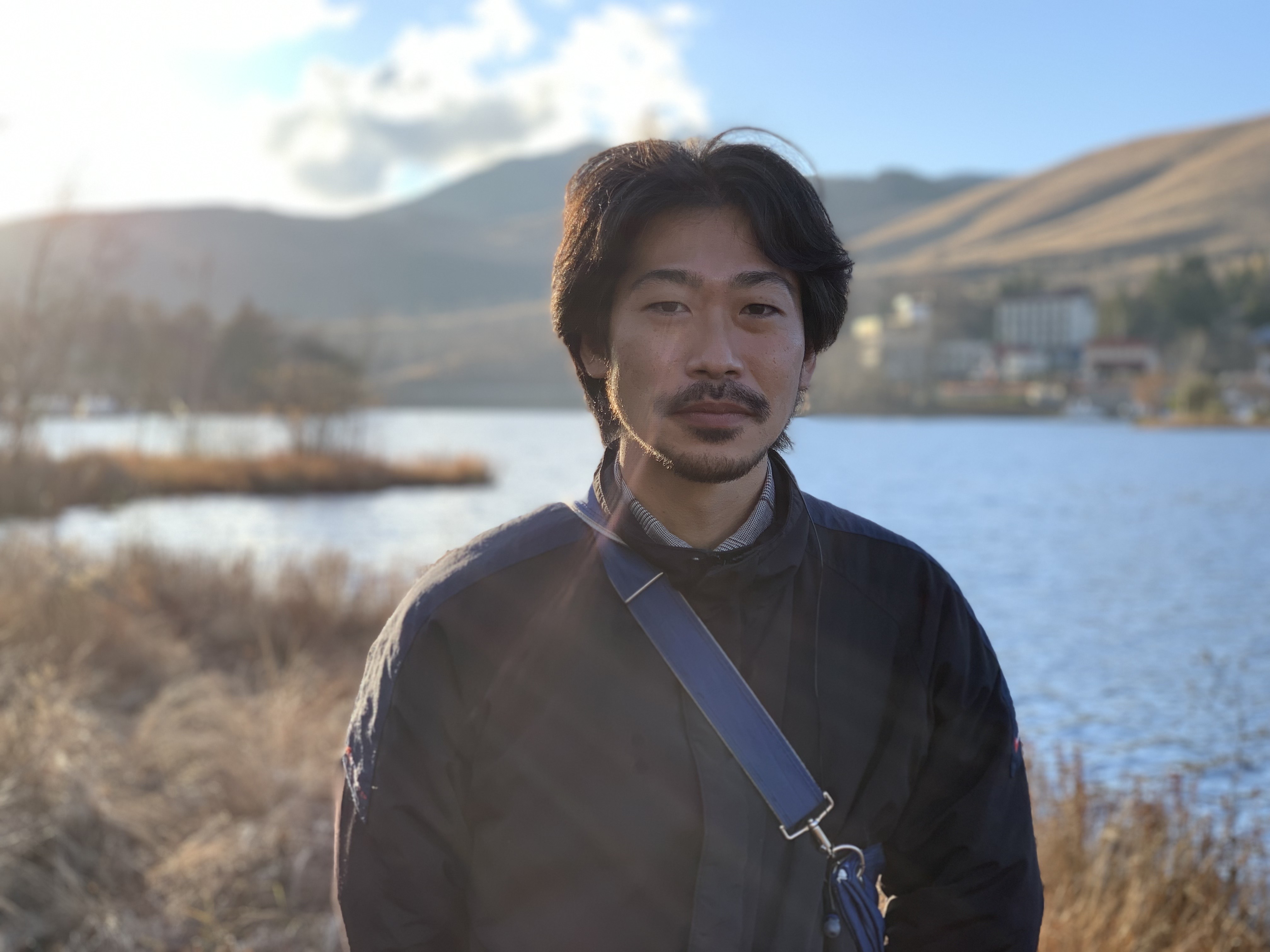
Director:Rohan Parashuram KANAWADE
A self-made filmmaker raised in a Mumbai slum by chauffeur father and homemaker mother. While working as an interior designer, he began making films independently, creating shorts such as “U for Usha” (2019), “Window” (2017), and “Beautiful” (2016), which screened at numerous international film festivals. His debut feature “Cactus Pears” was developed at the Venice Biennale College Cinema program.
Director’s statement
Sabar Bonda (Cactus Pears) is my deeply personal reimagining of the grieving period I experienced in my ancestral village in 2016. Born and raised in a Mumbai slum by a chauffeur father and a homemaker mother, my parents accepted my sexuality, but my extended family in the village was unaware. During this grieving period, they began pressuring me to marry within a year, as per custom. This constant pressure overshadowed my grief, leaving me longing for an escape I couldn’t find at the time.
Through this film, I explore the possibility of solace and freedom by allowing my protagonist to experience moments of connection and respite with an estranged childhood friend. These moments gradually blossom into a tender bond, making this film a journey that begins with tragedy and moves toward hope and positivity.
To ensure authenticity, I cast actors from the region where the film was shot, despite the challenges of finding local talent willing to portray queer characters due to cultural stigma. After three years of searching, Bhushaan Manoj and Suraaj Suman were selected for their backgrounds as trained theater actors and their six-year friendship, which added depth and realism to the characters’ bond and intimacy. Their grounded and relatable appearances were also crucial to portraying queer individuals as ordinary people rather than idealized figures, further humanizing their story.
My personal experiences shaped Sabar Bonda to reflect the realities of lower-class queer life in India, challenging the misconception that queer experiences are limited to the upper class. By weaving together urban and rural experiences, the film aims to normalize queerness and celebrate its presence in all layers of society.
The characters of the parents in the film are inspired by my parents whose love and wisdom led them to accept my sexuality without any conflict. By highlighting this aspect of acceptance without sensationalizing struggle, the film offers a fresh perspective that redefines queer narratives and fosters hope.
I used static frames to capture the stillness and sluggish pace of that time in the village. And although at its core it’s a romance drama, it has no background score. I wanted to use layered soundscape to paint the urban and rural spaces to further enhances the tender quality of the film.
I shot this film in a small village called Kharshinde, where my mother was born and raised. We filmed several scenes near a man-made lake in the village, created decades ago due to the lack of a natural water source. When the lake was being dug, my mother, then a teenager, worked as one of the laborers. Knowing that this landscape holds a part of my mother’s personal history made the experience deeply meaningful for me.
Schedule
11/23(Sun)12:20 -
Asahi Hall
Guest
Bhushaan MANOJ (Cast)
11/27(Thu)16:15 -
Human Trust Cinema Yurakucho