Programs - Special Screening
THE SUN RISES ON US ALL
11/21(Fri)18:05 -Asahi Hall
Guest
CAI Shangjun (Director)
11/28(Fri)20:55 -Human Trust Cinema Yurakucho


China / 2025 / 131min
Director:CAI Shangjun
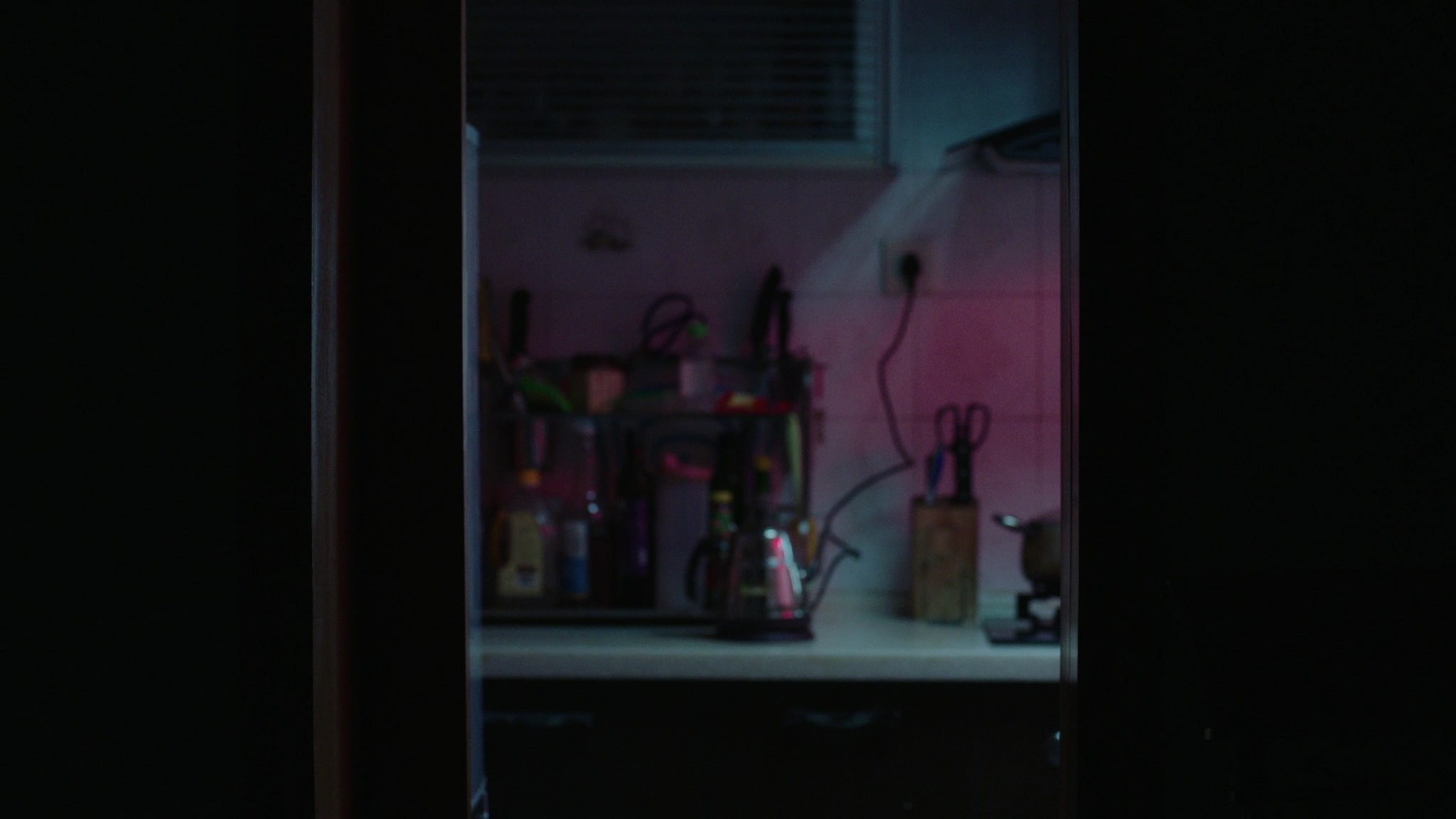
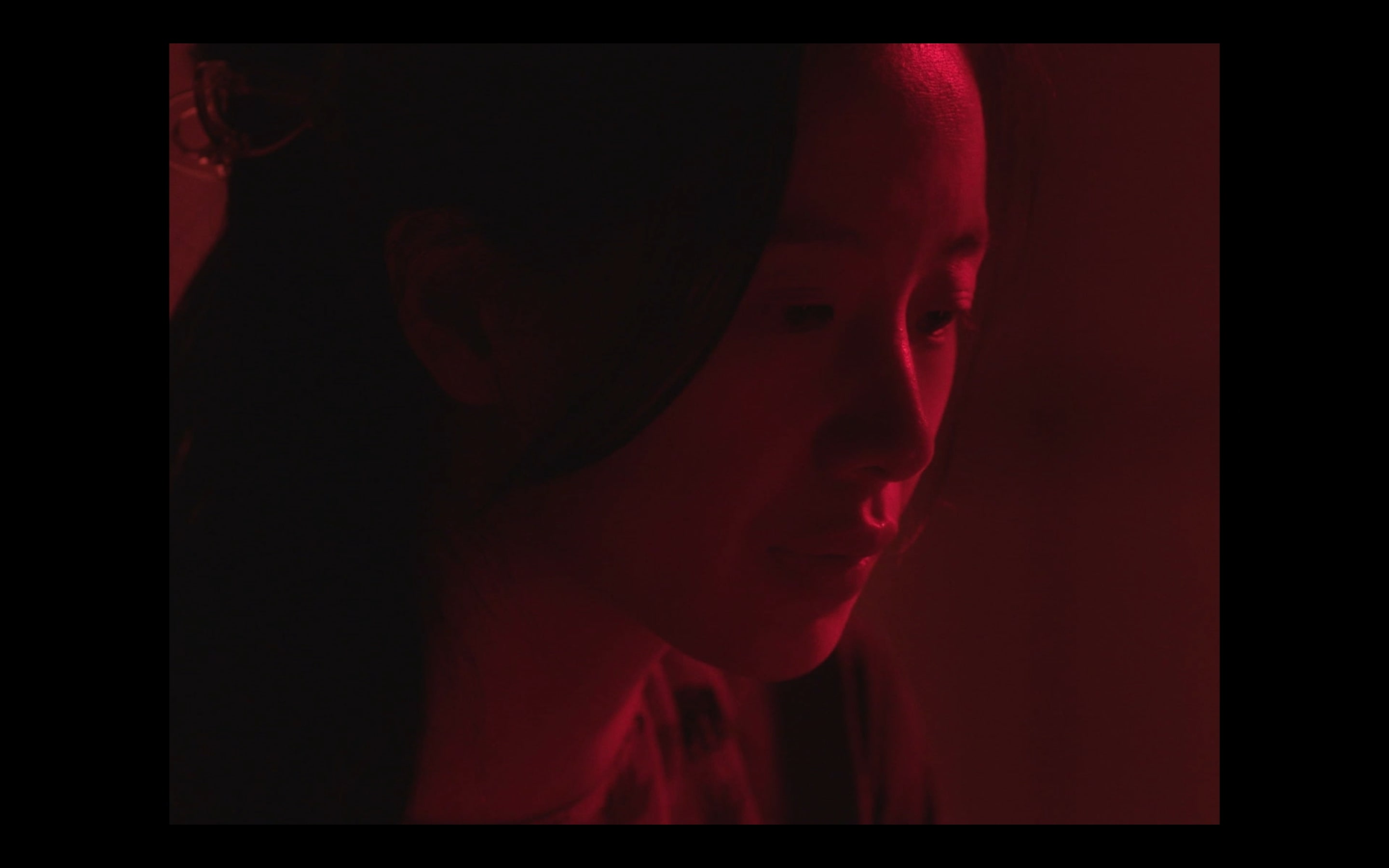
Former lovers Meiyun and Baoshu meet by chance in the hospital, returning to each other’s lives after a long separation. Meiyun is pregnant with the child of her fiancée, but when she learns Baoshu—recently released from prison and living in the same city—has stage IV cancer, she takes him into her apartment to care for him and help him focus on his treatment.
The depiction of former lovers achingly bound to one another by a shared secret. He serves time for a crime she committed, while she embarks on a new life merely a year later. His prison term ended, he steps back into a world where his sacrifice has been in vain and love has warped into hatred. After living unbeknownst to one another in the same town, they meet by chance and their past rises again to the surface. The eagerly anticipated fourth feature film from Cai Shangjun, a director whose selective output includes 2011’s “People Mountain Sea” (Silver Lion for Best Director at the 68th Venice Film Festival) and 2017’s “The Conformist” (screened at TOKYO FILMeX the same year). An unflinching and emotionally shattering tale of love and hatred, and the unattainability of redemption. Tsai elevates his delicate and profound craft to new heights with this work, characteristically raw in its imagery, and ethically complex. The film was screened in competition at the Venice Film Festival, where lead actress Xin Zhilei won the Volpi Cup for Best Actress.
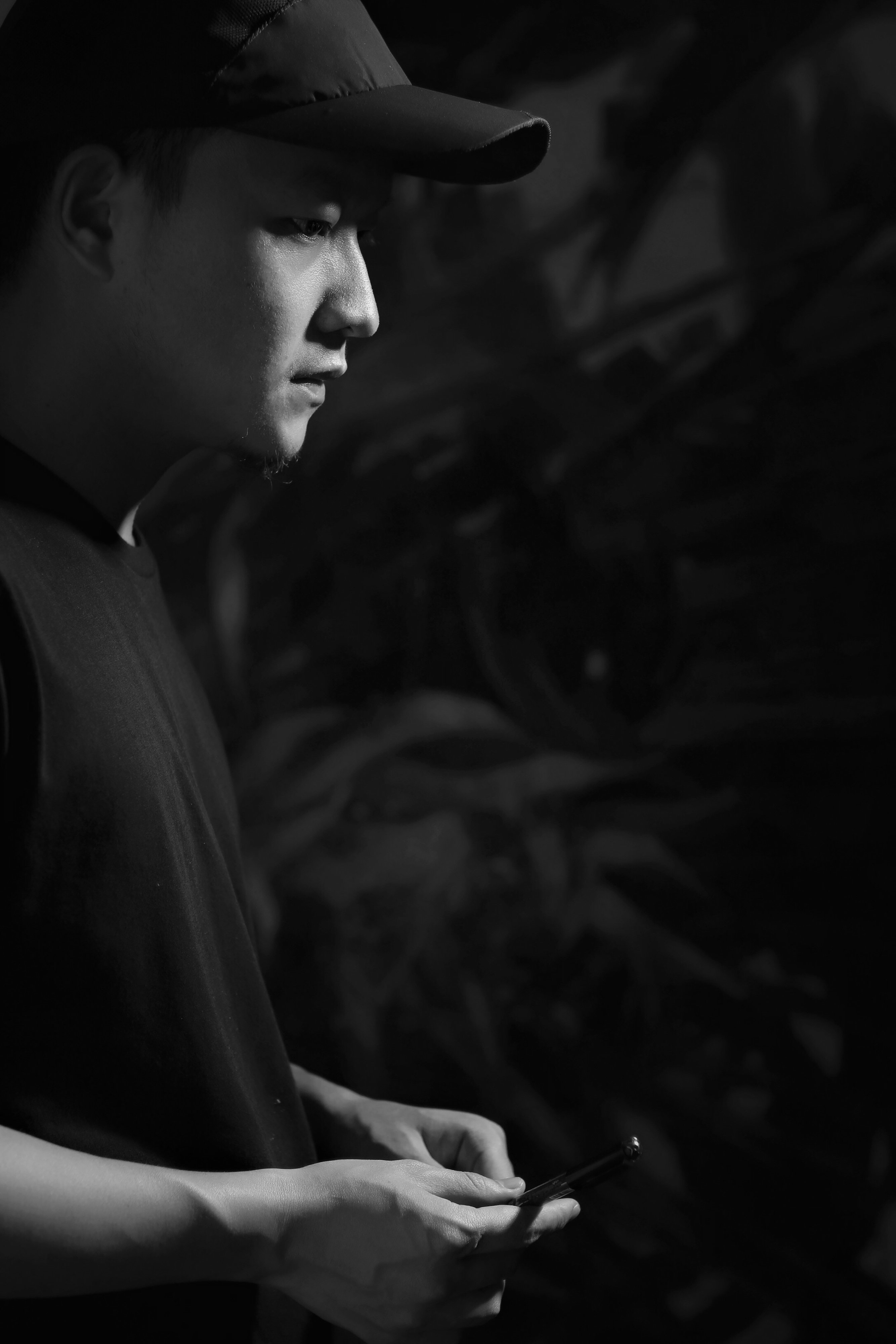
Director:CAI Shangjun
Born in Beijing in 1967 and a graduate of the Central Academy of Drama, he wrote “Spicy Love Soup” (1997), “Shower”(1999), and “Sunflower” (2005) before debuting as director with “The Red Awn” (2007), winner of Best Film at Thessaloniki International Film Festival and the Jury Grand Prize at the Asia Pacific Screen Awards. His “People Mountain People Sea” (2011) won the Silver Lion at Venice Film Festival, and “The Conformist” (2017) the Best Actor Award at Shanghai International Film Festival—both were shown at TOKYO FILMeX.
Director’s statement
The sharpness of a blade embodies a resolve to turn towards goodness.
The Sun Rises On Us All follows 36-year-old Meiyun through a month of upheaval in her life and emotions. Just like life itself, the film deliberately avoids dramatic twists and turns. Instead, it follows a logic of perceptions and emotions, focusing intently on the everyday existence of ordinary people. Layer by layer, these daily fragments reveal the hidden meanings of daily life and of life itself.
A good film always needs to have a source of light that pierces through the story and illuminates the characters. In The Sun Rises On Us All, this light comes from Baoshu. Years ago, his partner Meiyun was driving when their car had a serious accident. Baoshu sacrificed himself out of selfless love by taking the blame. At the time Baoshu radiated light with his noble gesture. But he was no saint. Meiyun’s subsequent betrayal dragged him down, filling him with anger and resentment, leaving him an ordinary man.
Meiyun never imagined her life would be shaken up this summer. Not only does she find out she is pregnant again, she also bumps into Baoshu, her former lover. The past and the future collide. Destiny seems to be telling her to let go of the old in order to embrace the new. She finally stops running away.
When they meet again years after the accident, Meiyun and Baoshu are no longer lovers. Their wounds cannot easily be healed, and the distance between them grows deeper. Meiyun stubbornly seeks to make it up to him and earn his forgiveness. Yet her desperate desire to make things right comes up against all sorts of misfortune: the collapse of her struggling business, the end of her ambiguous relationship with Qifeng, the unexpected miscarriage of her baby that symbolized “a new life,” and Baoshu’s silent departure. Life seems to deprive her of one thing after another.
The penitent cannot be absolved and those who make sacrifices are not compensated. At the bus station, Meiyun confronts Baoshu in an act of desperation, begging his forgiveness for one last time. Perhaps it is anger at his indifference, or the need to vent the extreme grief she feels inside her, or simply a desperate urge to stop him from leaving. In the end, the sharp blade pierces the flesh.
Sacrifice is an act of goodness, yet it leads to demands, and goodness can become tainted with resentment. Raising a knife at someone is an act of evil, yet it is also the ultimate resolve to turn towards goodness, erasing the stain of guilt. Good and evil go hand in hand. Human nature is messy and full of contradictions.
Despair resonates and suffering binds them together. Baoshu’s hardened heart begins to soften. He sees her pain and her struggle. It is just like his own. In a moment of compassion and shared sorrow, Meiyun and Baoshu collapse into each other’s arms, weeping.
The sun stands high and the sunlight pours down over all beings. Life is fragile, yet it also shines brightly.
Schedule
11/21(Fri)18:05 -
Asahi Hall
Guest
CAI Shangjun (Director)
11/28(Fri)20:55 -
Human Trust Cinema Yurakucho